

In this guide
What changes the price
- 1
Access to the drain
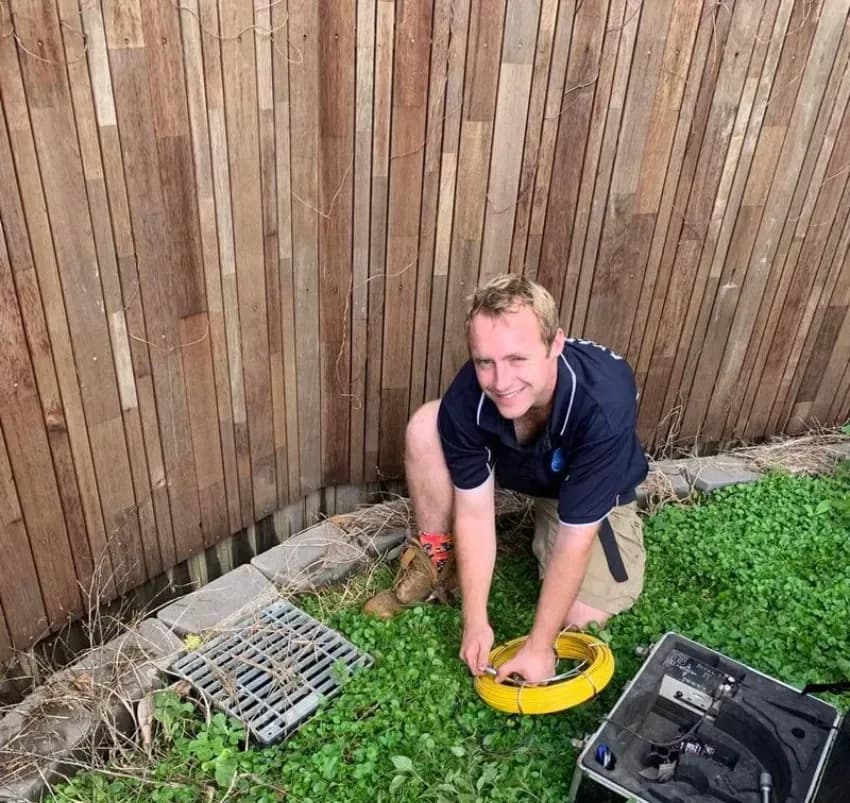
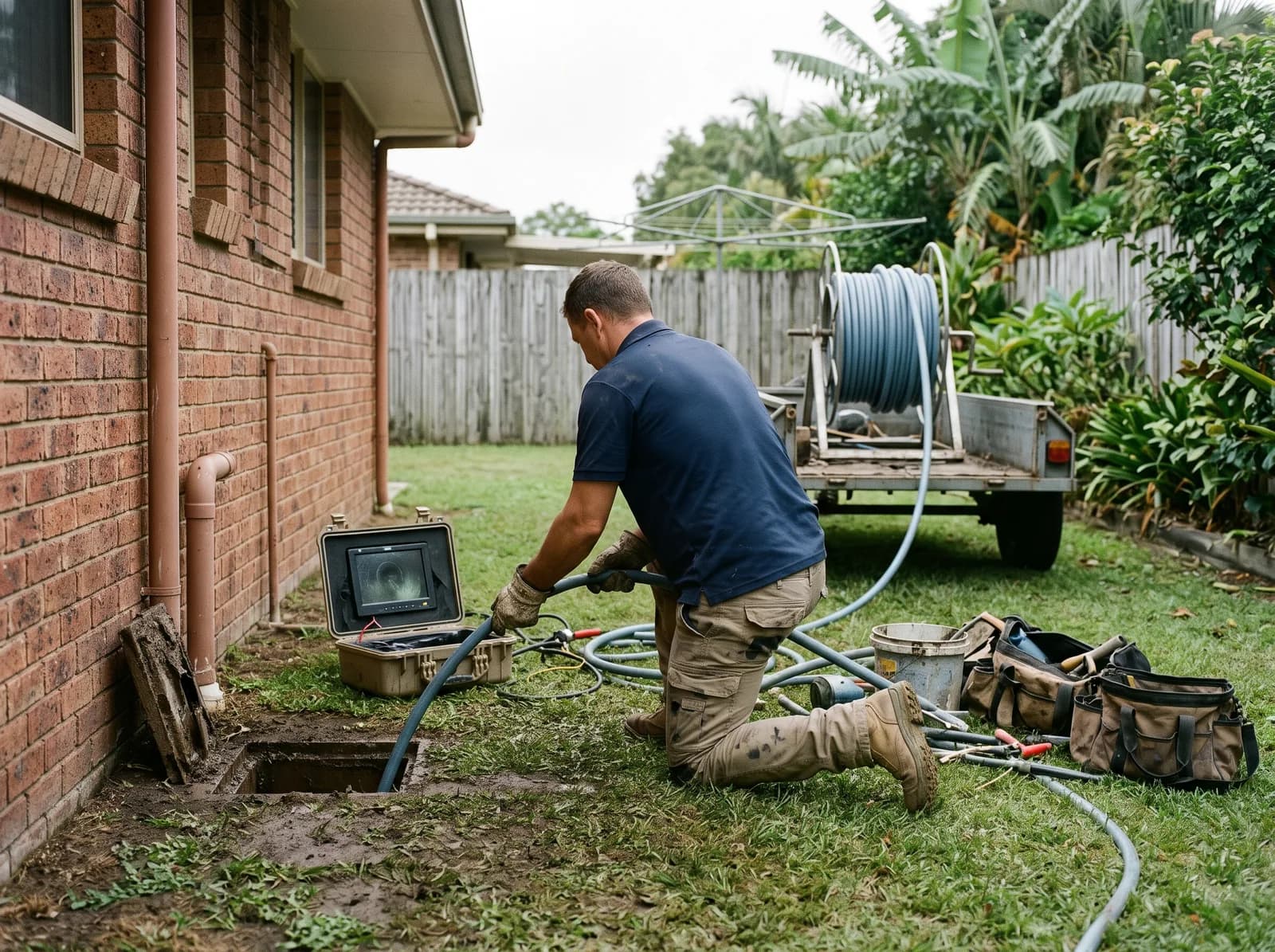
A clear inspection opening near the problem is simple. A hard-to-reach line, or one with no obvious way in, takes more time.
- 2
Whether the line is blocked
The camera has to get through. A fully blocked drain may need clearing first, which is extra work.
- 3
How much pipe needs checking
One short branch is different from following a long line across a property.
- 4
Locating the fault
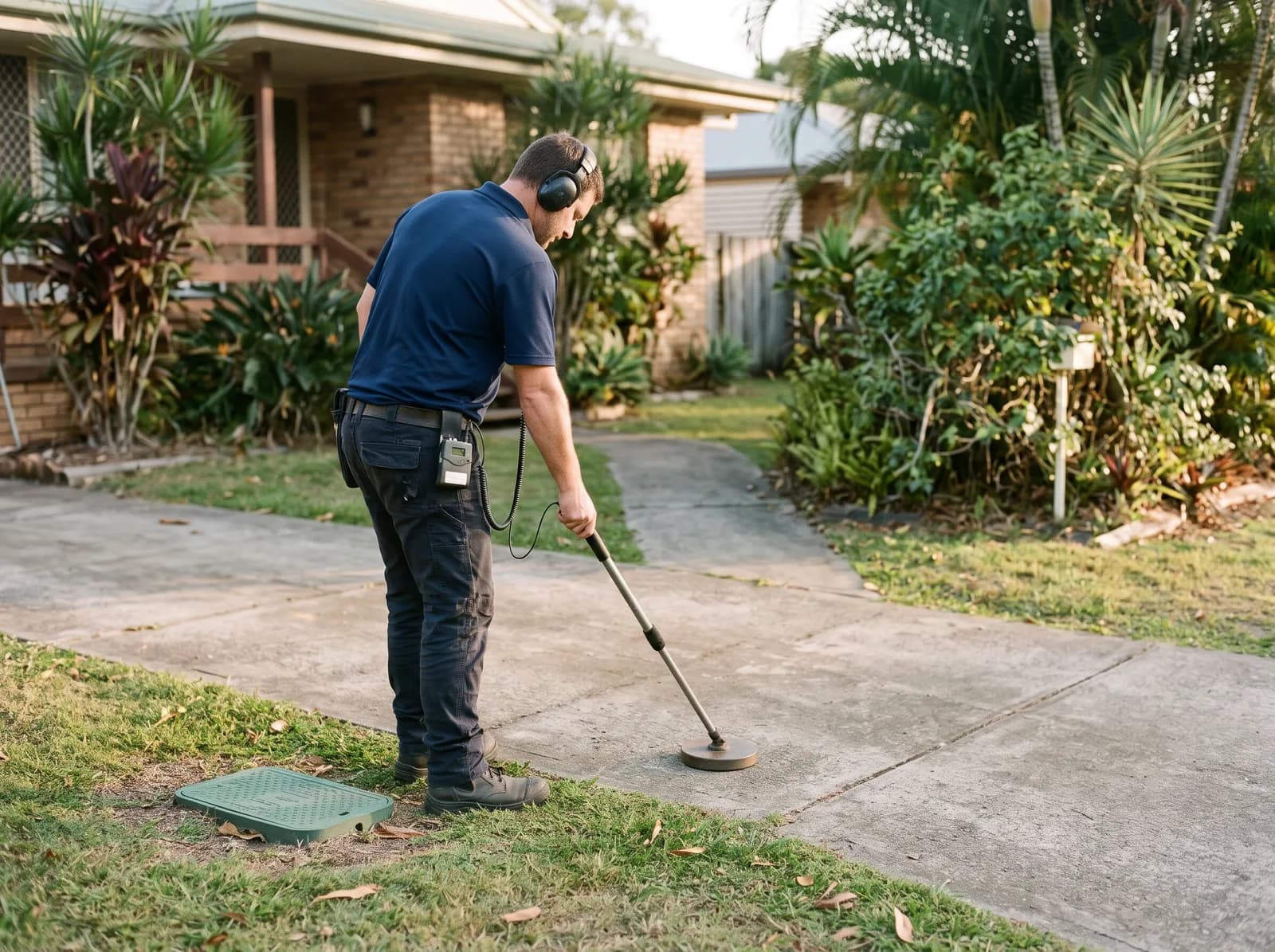
Marking where and roughly how deep a problem sits above ground adds a step, though it can be very useful if a repair follows.
- 5
What you need afterwards
If you need something for a body corporate, insurer or a property purchase, say so early so it can be factored in.
When an inspection pays for itself
An inspection is a cost on its own, so it's fair to ask if you need one. It's most useful when there's a decision to make: a drain that keeps blocking, a possible repair that would involve digging, or a pipe you suspect is damaged.
For a one-off blockage with an obvious cause, you may not need it. We'll say so if that's the case.
Questions to ask before you book
- What's included, and what would be extra?
- What happens if the camera can't get through?
- Will someone explain what they saw before recommending anything?
- If repairs are recommended, will I get the price before they start?
How we handle pricing
We use upfront pricing, so you'll know the price before work goes ahead. Prices depend on the job, so it's best to call the office with your suburb and what's been happening, and ask what applies to you.