
In this guide
Why you'd have one
A CCTV inspection is useful when a surface symptom doesn't explain itself. That might be a drain that keeps blocking, a sewer smell, a damp patch in the yard, or wanting to know the condition of a line before deciding on a repair.
What happens, step by step
- 1
We talk through the symptoms
What you've noticed, when it started and what's been done before helps decide where to start.
- 2
We find a way in
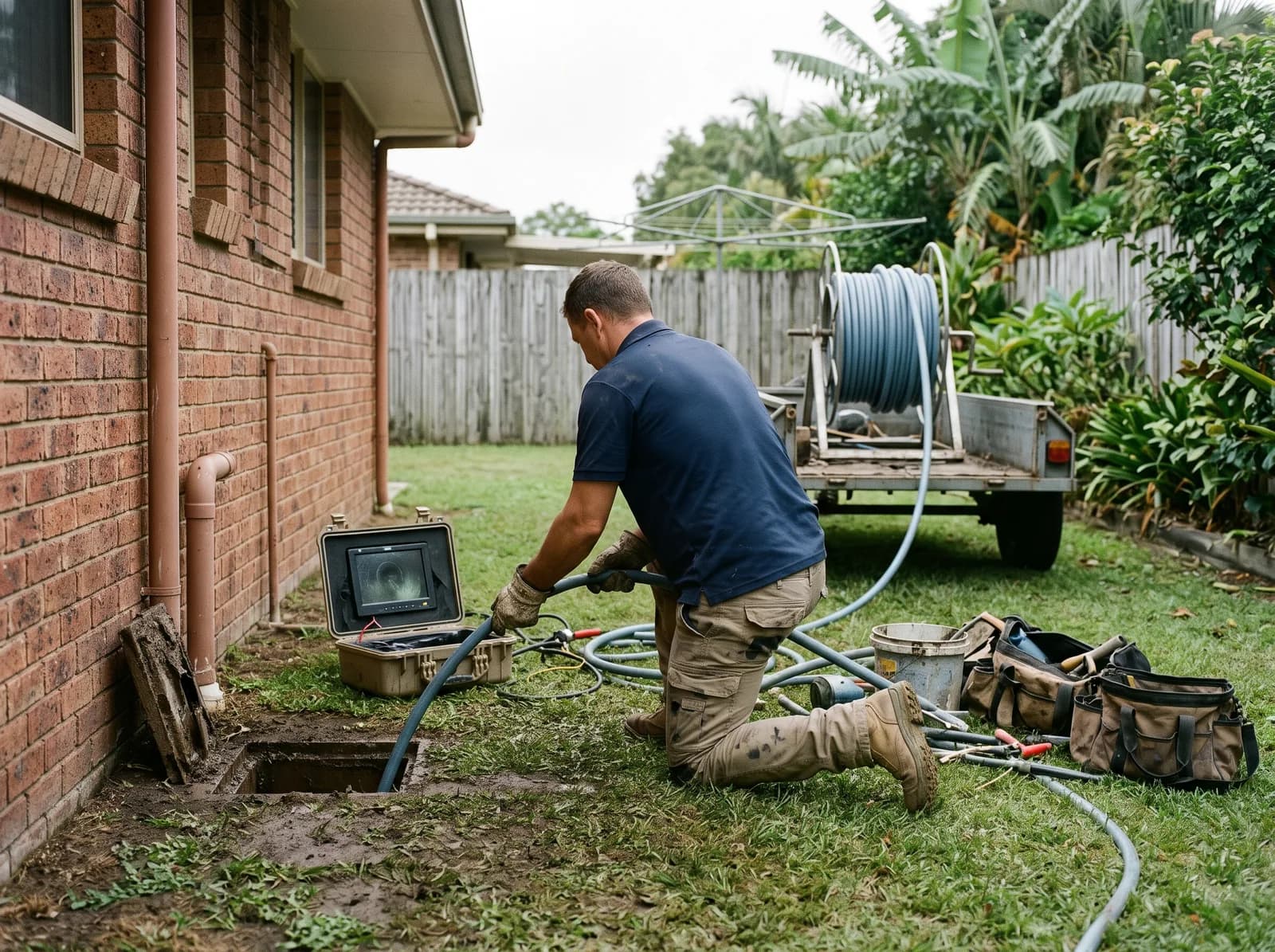
The camera needs an access point, such as an inspection opening or a suitable fixture. If a line is fully blocked, it may need clearing first so the camera can get through.
- 3
The camera goes down the line
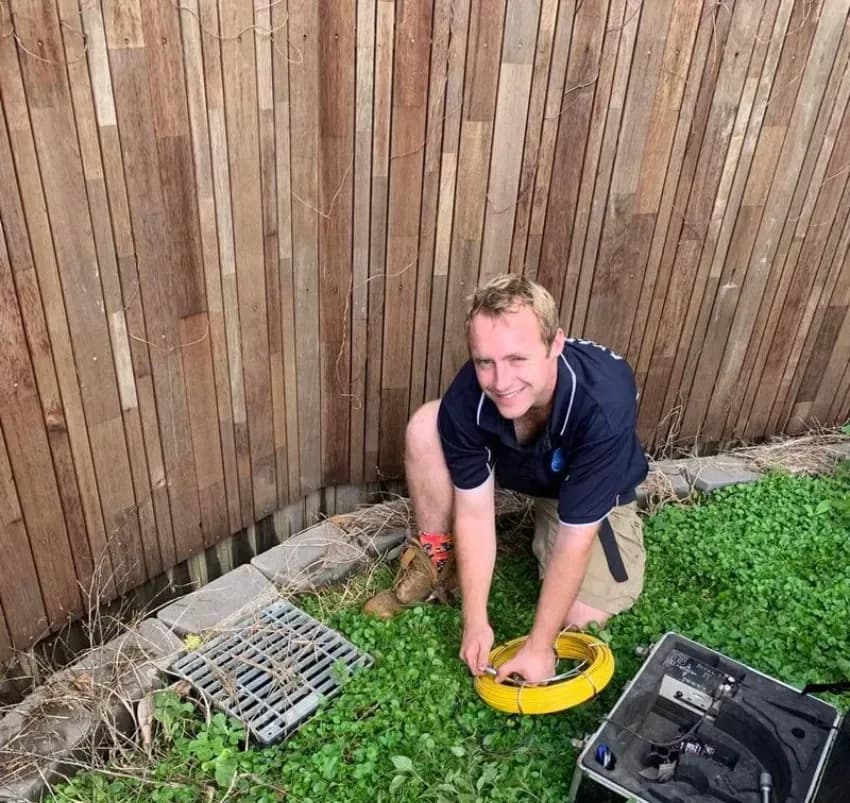
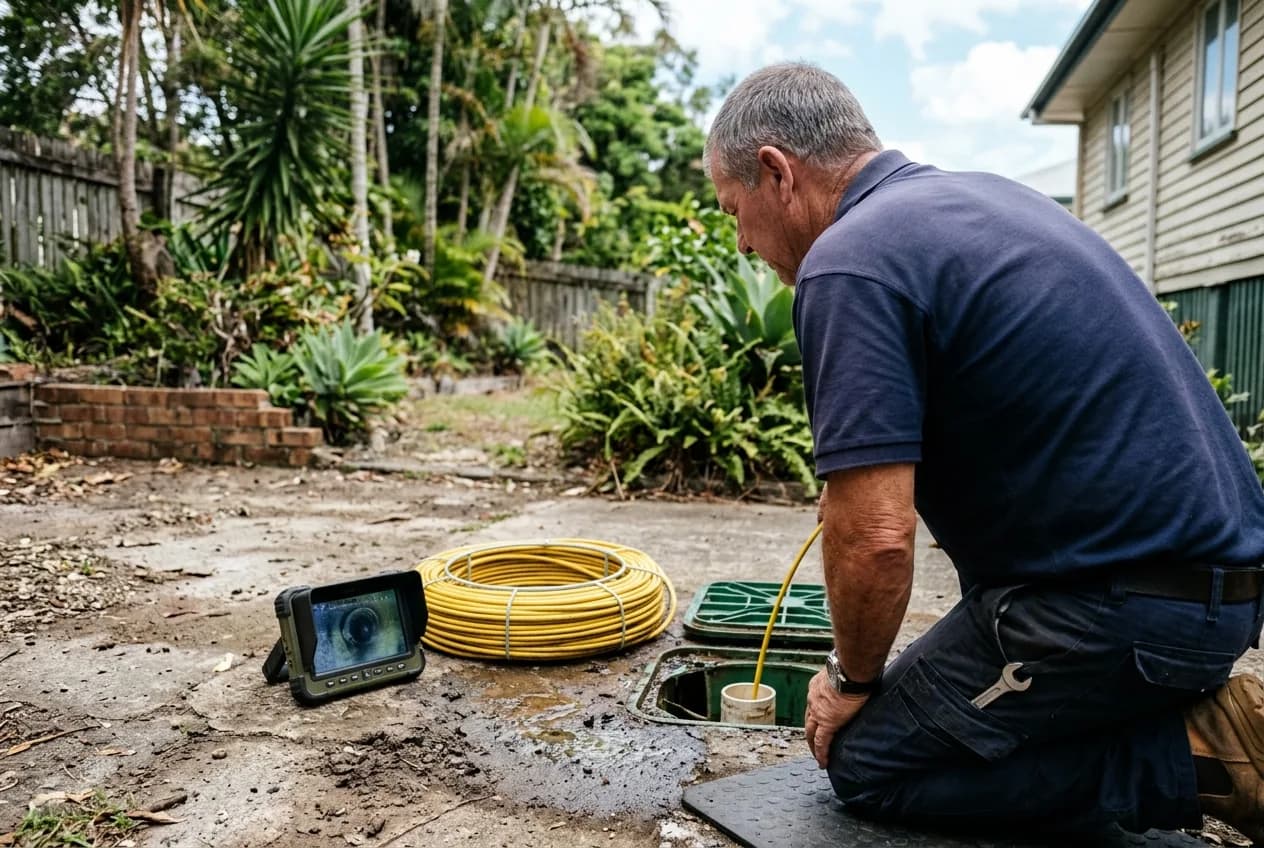
A small camera on a flexible cable is fed through the pipe while we watch a live picture on a screen.
- 4
We note what's there
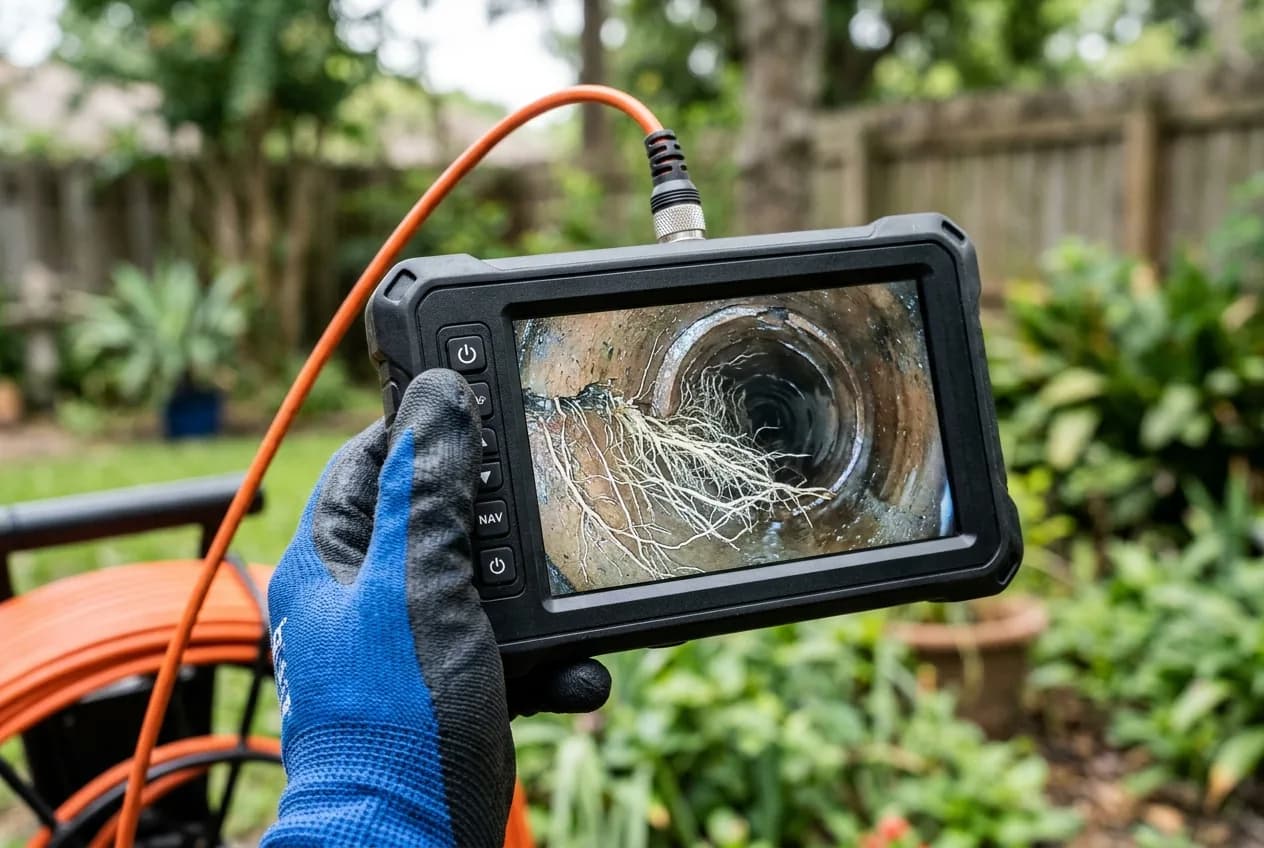
We look for roots, cracks, displaced joints, build-up, foreign objects and sections holding water.
- 5
We mark the spot
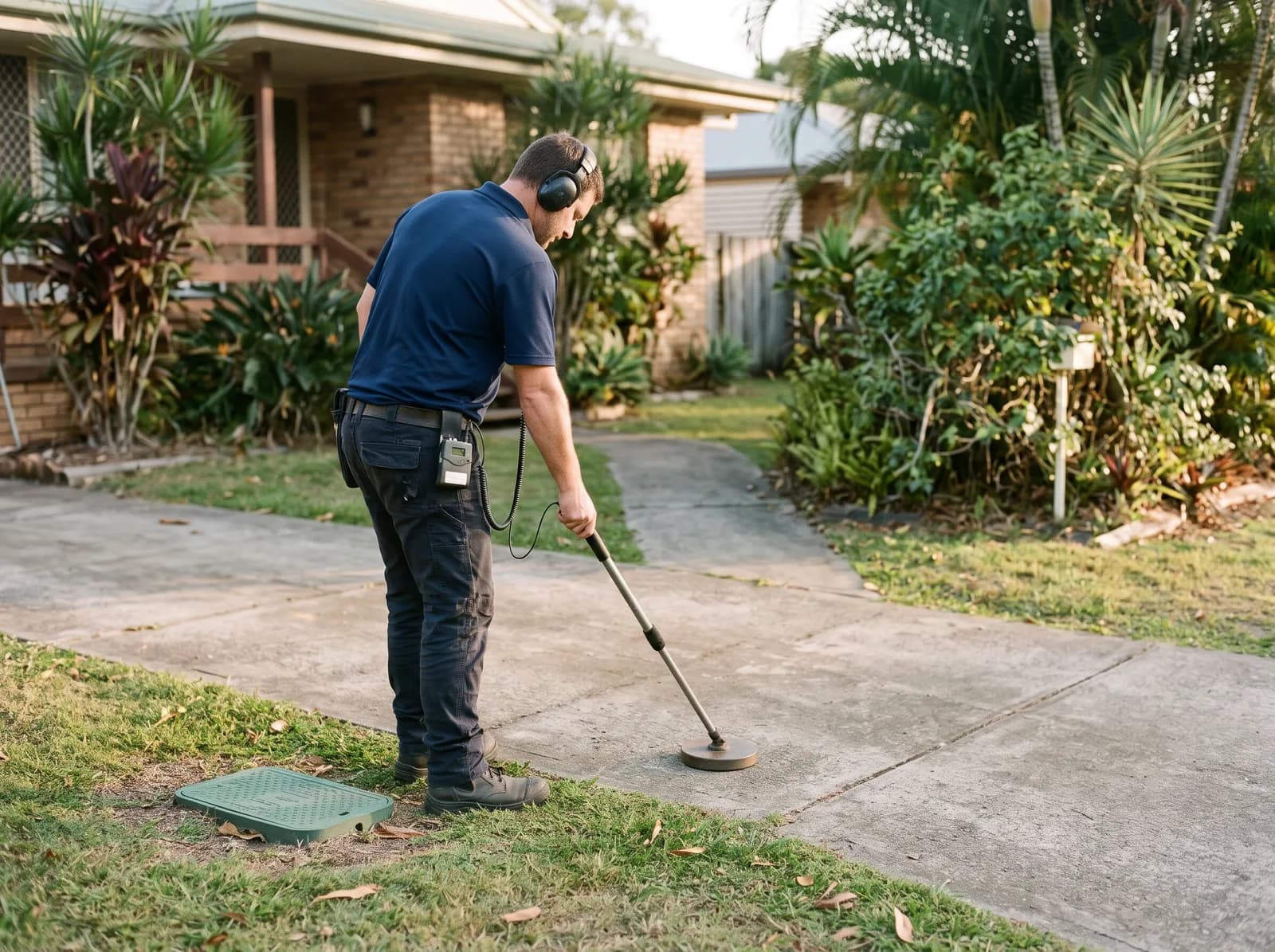
Where the equipment allows, a locator helps show where a problem sits above ground, and roughly how deep.
- 6
We show you and explain the options
You'll hear what we saw and what we'd suggest, in plain language, with the price of any recommended work before it goes ahead.
What the camera can and can't show
| What to expect | |
|---|---|
| Usually visible | Roots, cracks, offset joints, grease and scale, objects in the line, water sitting in a sagging section |
| Harder to judge | Very small leaks, and exactly what's happening on the outside of the pipe |
| Not what it's for | Underground pressurised water leaks. Those are a different job, and we use acoustic equipment to help locate them |
How to get ready
- Let us know where any inspection openings or old drainage plans are, if you know.
- Clear access to the area, including gates, and secure any pets.
- Avoid using the affected drain before we arrive, if it's backing up.
What happens afterwards
That's up to what's in the pipe. Build-up might mean jetting. Roots through a damaged section might mean clearing, then repairing the pipe. Suitable damaged pipework may be able to be relined, while a collapsed or badly displaced section might need excavating. Sometimes the line is fine, and that's useful to know too.