

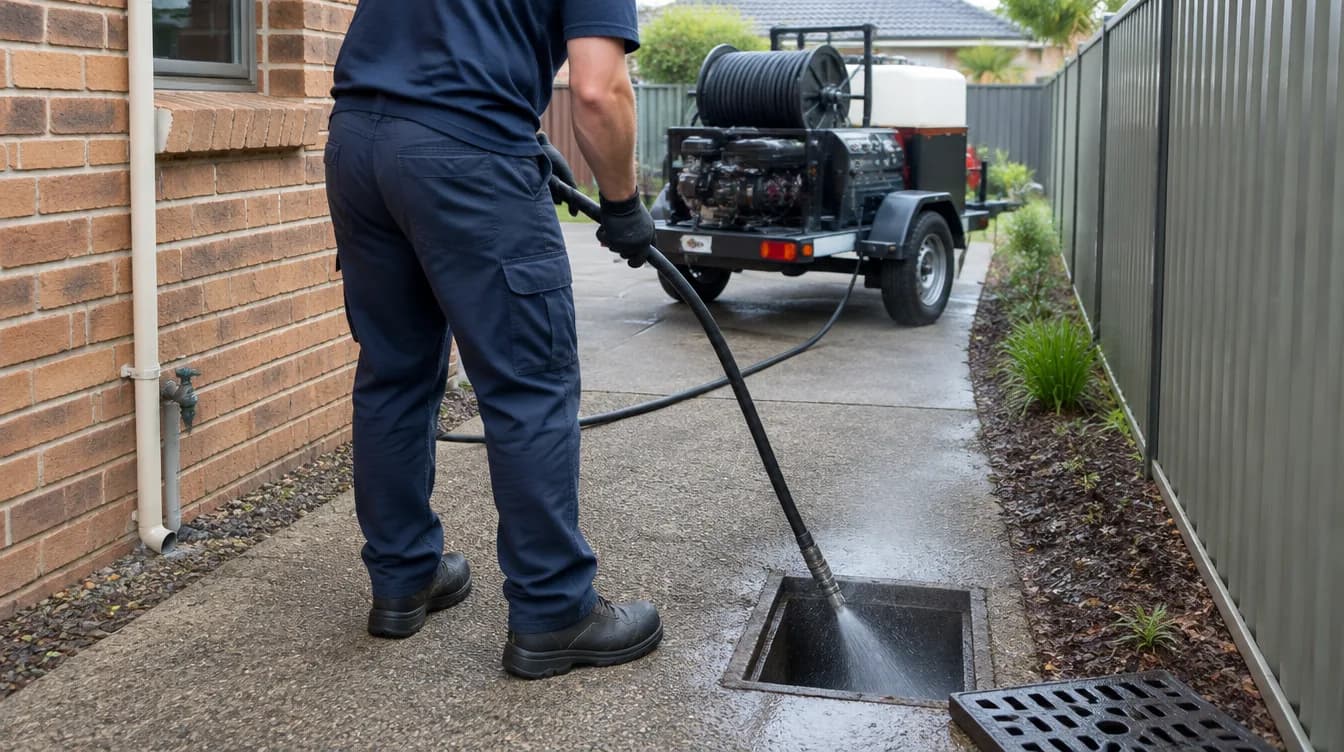
Drain cleaning Brisbane
Drain cleaning that scours the pipe, not just the plughole.
A slow drain is a narrowing pipe. We use high-pressure water jetting to wash the build-up off the pipe walls, so the drain flows at full width again, not through a small hole punched in the middle.
The short version
- 1Hydro jetting for grease, roots, silt and wipes
- 2No harsh chemicals down your drains
- 3Camera checks when a drain keeps coming back
Signs your drain needs professional cleaning
Try it yourself, or time to call us?
Some slow drains are a five-minute fix. Others are a pipe closing up a little more every week. Here's how to tell.
Worth a go yourself
- Hair caught in the shower or basin grate
- A sink that's slow after a big cook-up
- A smell from one drain you haven't used in a while
- A plunger clears it and it stays clear
Book a proper clean
- The same drain blocks again and again
- Drains gurgle when other fixtures run
- Smells that come back after cleaning
- Water backing up into a shower or sink
- Yard pits overflowing in every storm
Can I use a chemical drain cleaner? It might shift a light build-up near the plughole, but it won't touch roots or anything deeper. Repeated doses can damage older pipes and fittings, and they make the job harder for whoever clears it next.
Cleared more than twice in a year? Something in the pipe is catching waste. A camera inspection shows what.
CCTV drain inspections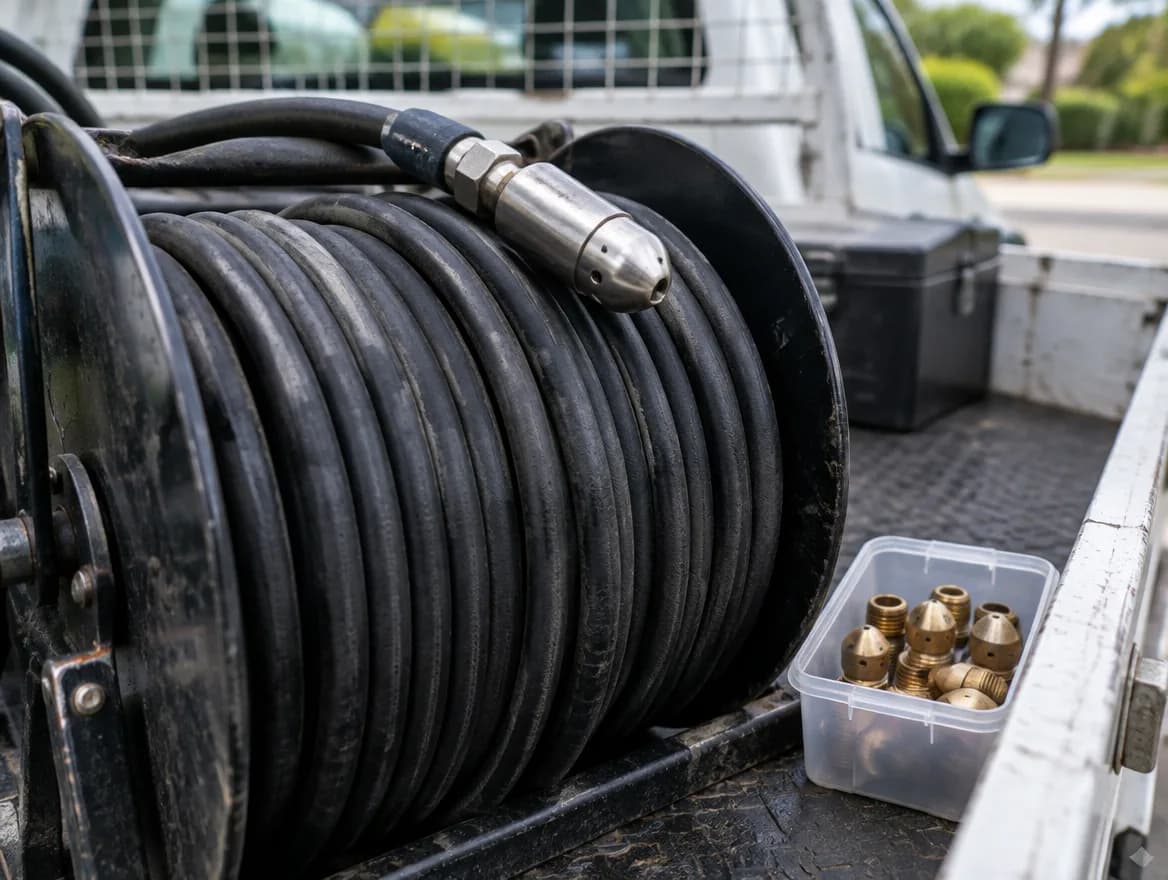
What is hydro jetting?
Water at high pressure, aimed at the pipe walls.
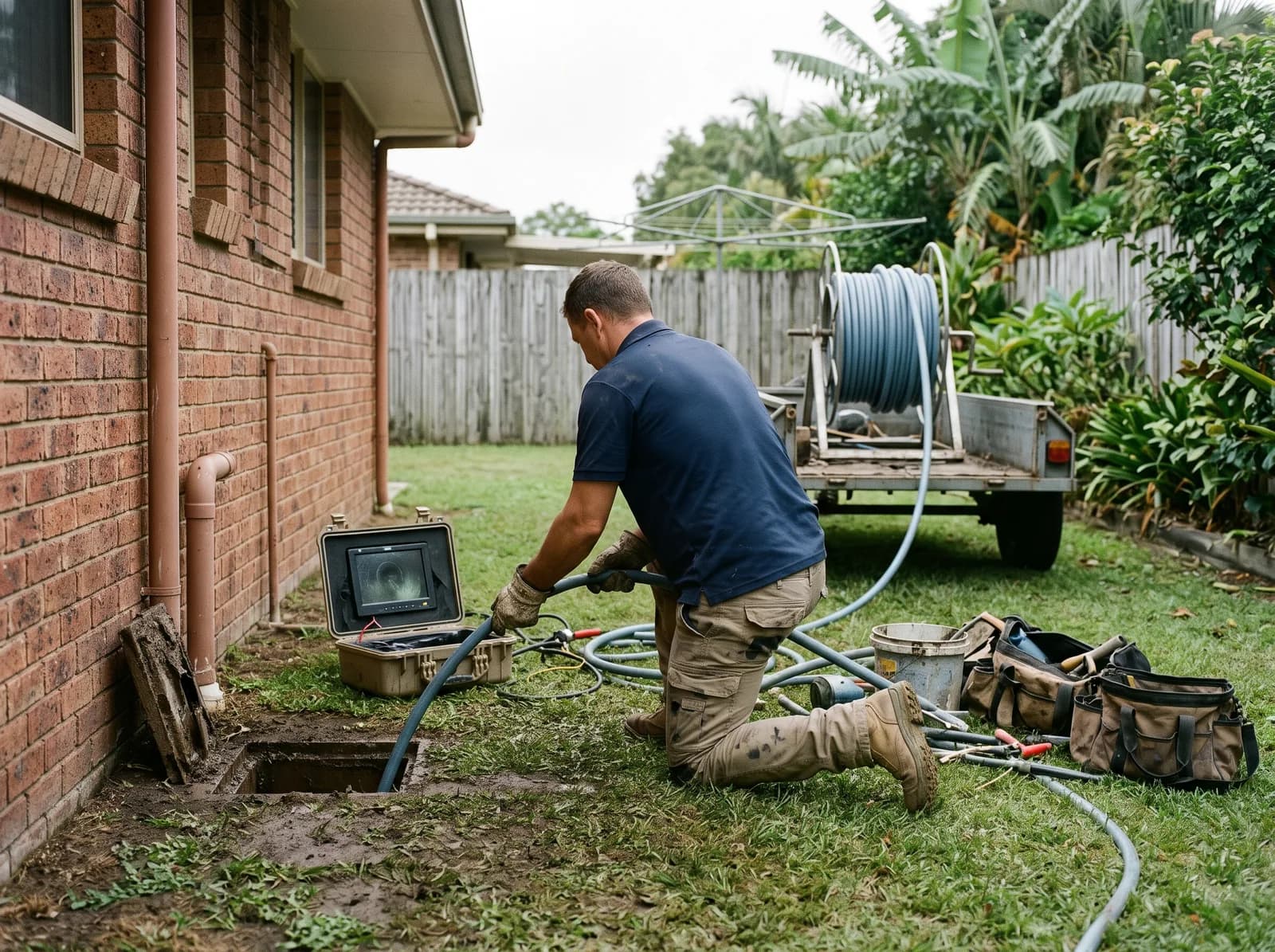
Hydro jetting, also called water jetting or jet blast plumbing, sends water at high pressure through a flexible hose and a specialised nozzle. Jets angled backwards drive the hose up the pipe while they scour the walls.
Different nozzles do different jobs: one punches through a blockage, another spins to strip grease, another cuts back roots. We pick the nozzle and pressure to suit the pipe and what's in it.
It's the same equipment for kitchen lines, sewer mains and stormwater drains. Our team runs two high-pressure jetters.
- Clears grease, roots, silt, scale and wipes
- Cleans the full width of the pipe
- Uses water, not harsh chemicals
- Goes in through existing access points
Jetting vs other methods
How the options stack up.
Each method has its place. This is how they compare on the jobs we're usually called out for.
How far it reaches
- Chemical cleaner
- Just past the plughole
- Plunger or hand snake
- The trap and a short way in
- Electric eel
- Well down the line
- High-pressure jetting
- The full length of the line
Grease coating
- Chemical cleaner
- Softens a little
- Plunger or hand snake
- Pushes it along
- Electric eel
- Cuts a hole through it
- High-pressure jetting
- Washes it off the walls
Tree roots
- Chemical cleaner
- No effect
- Plunger or hand snake
- No effect
- Electric eel
- Cuts a path through
- High-pressure jetting
- Cuts back and flushes out
Pipe left
- Chemical cleaner
- Mostly as it was
- Plunger or hand snake
- Mostly as it was
- Electric eel
- Open, with walls still coated
- High-pressure jetting
- Clean wall to wall
Suits
- Chemical cleaner
- Not recommended
- Plunger or hand snake
- A single trap or toilet
- Electric eel
- Hard blockages where jetting isn't suitable
- High-pressure jetting
- Recurring, deep or grease and root blockages
Jetting pressure is set to suit the pipe. On badly broken lines, we'll camera first and talk about repair before cleaning hard.
Same drain, same problem, again?
Tell us which drain and how often. We'll clean it properly and, if it keeps coming back, find out why.
What happens during our drain cleaning service
Understand it first, then clean it properly.
The goal isn't only to get water moving. It's to understand what's happening in the line, so the fix suits it.
Step 01
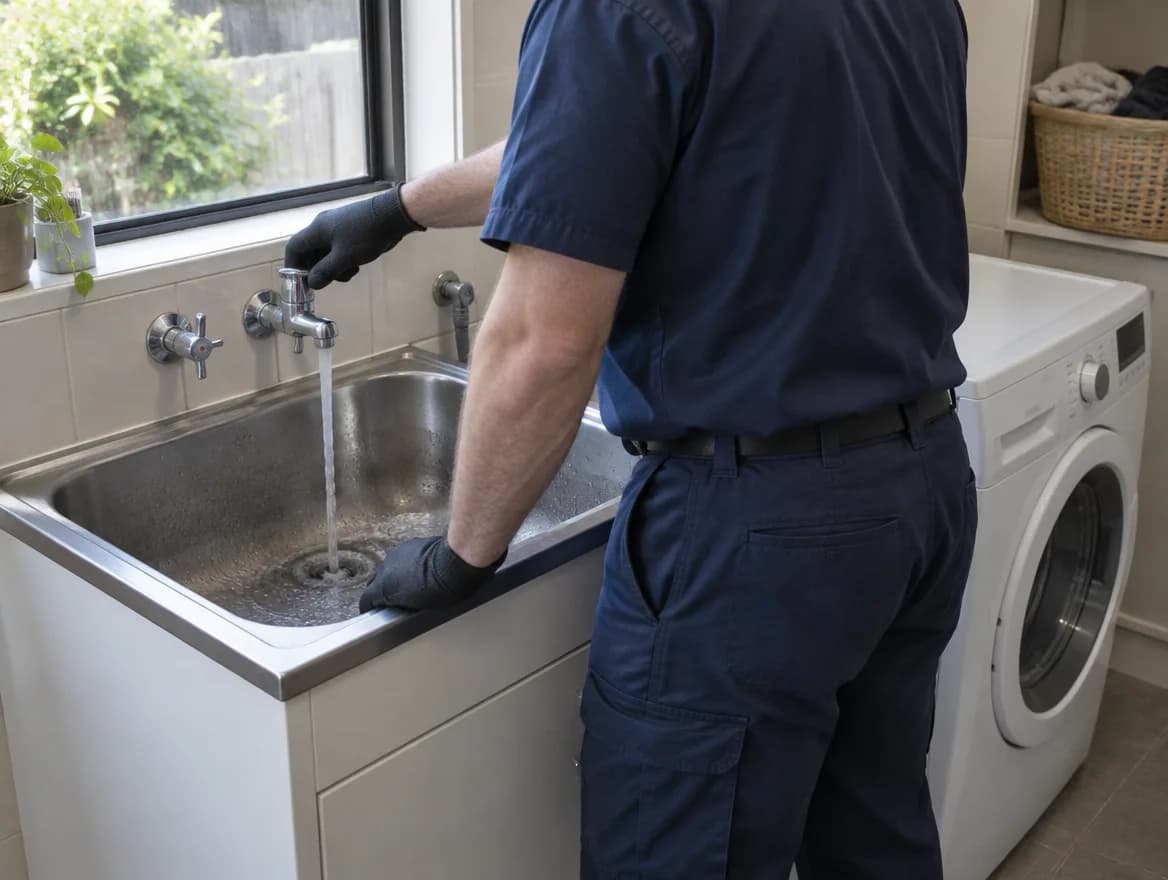
Read the symptoms
Which drain, how slowly, and has it happened before? One slow sink and three fixtures backing up at once point to very different lines, so we check before we choose the gear.
Step 02
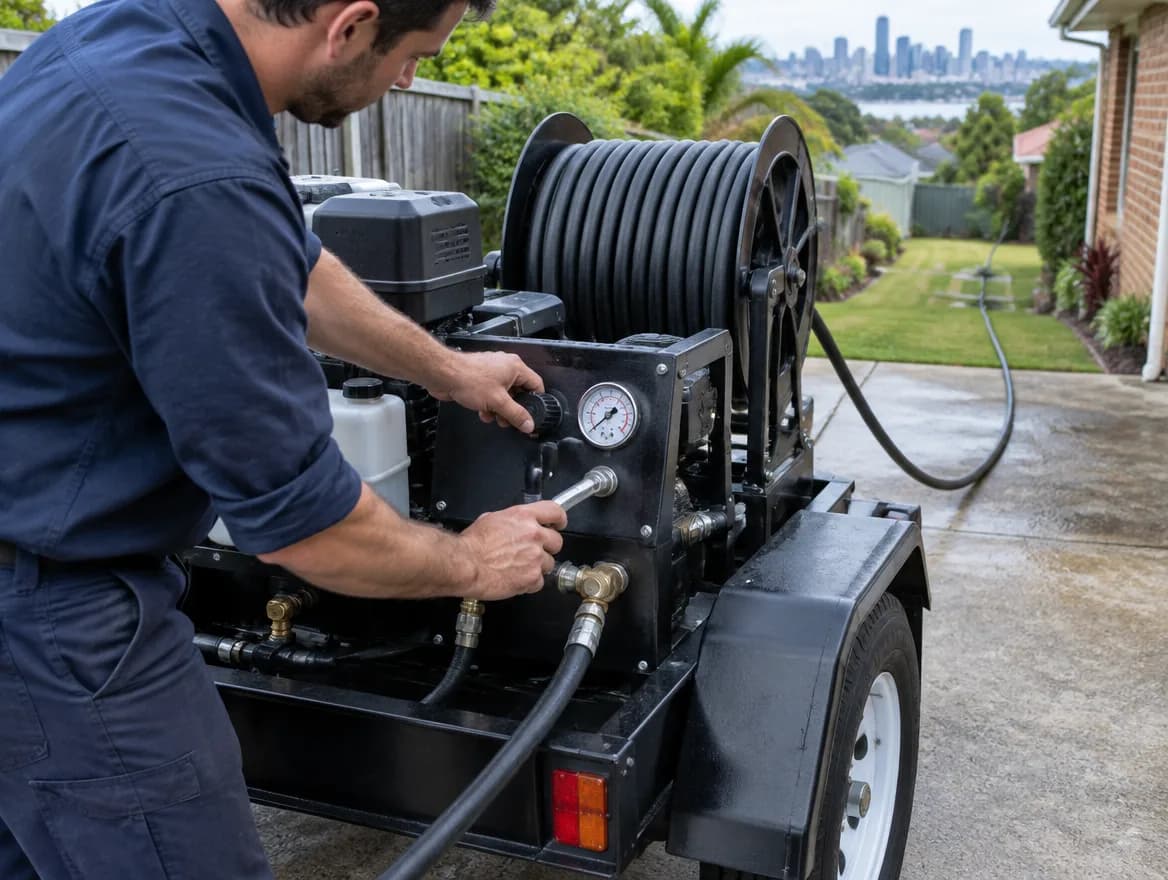
Jet the affected line
We set the jetter pressure and nozzle to suit the pipe, go in from the nearest access point and work the length of the line until the walls are clean.
Step 03
Check it and explain
If the drain has a history of blocking, a camera run shows whether the pipe itself is the problem. Either way, we explain what we found and what, if anything, needs doing next.
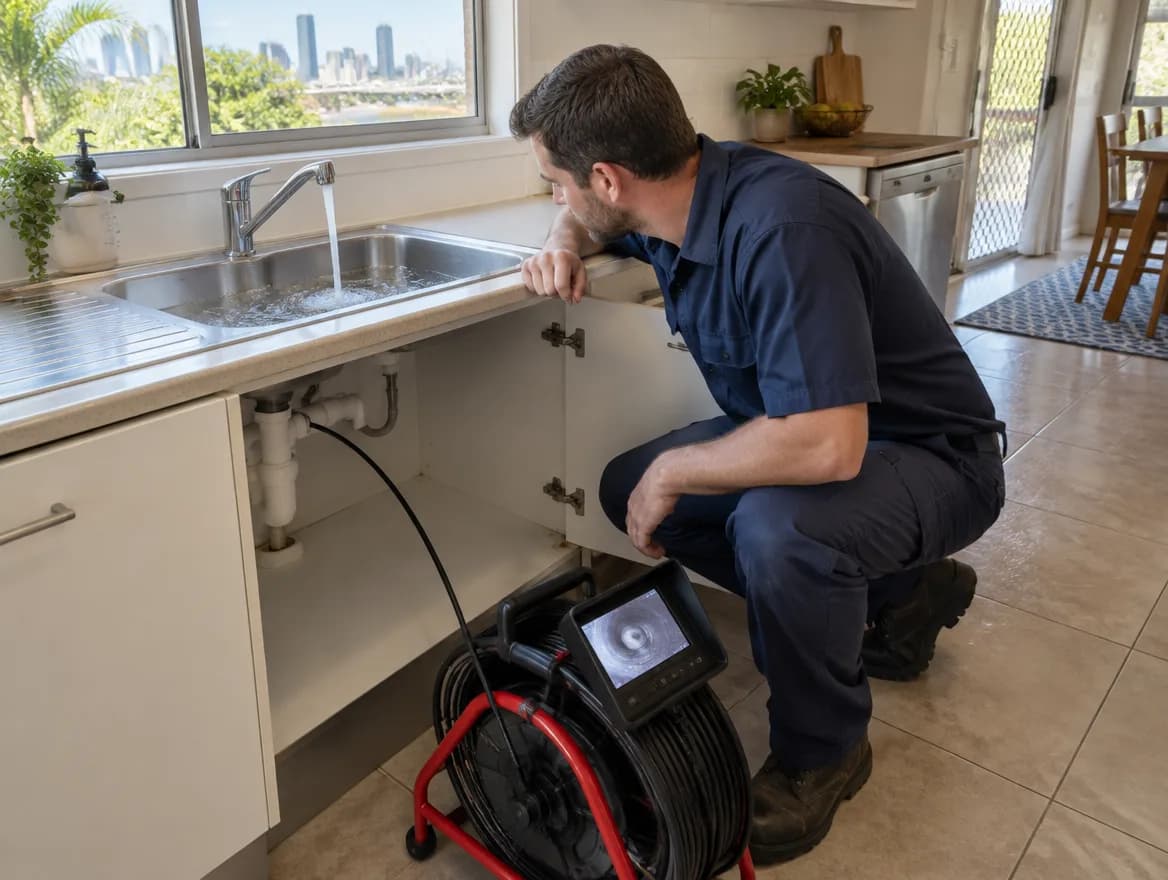
Drain cleaning for your whole house
Every drain blocks in its own way.
What goes down each drain decides what builds up in it, and how we clean it.
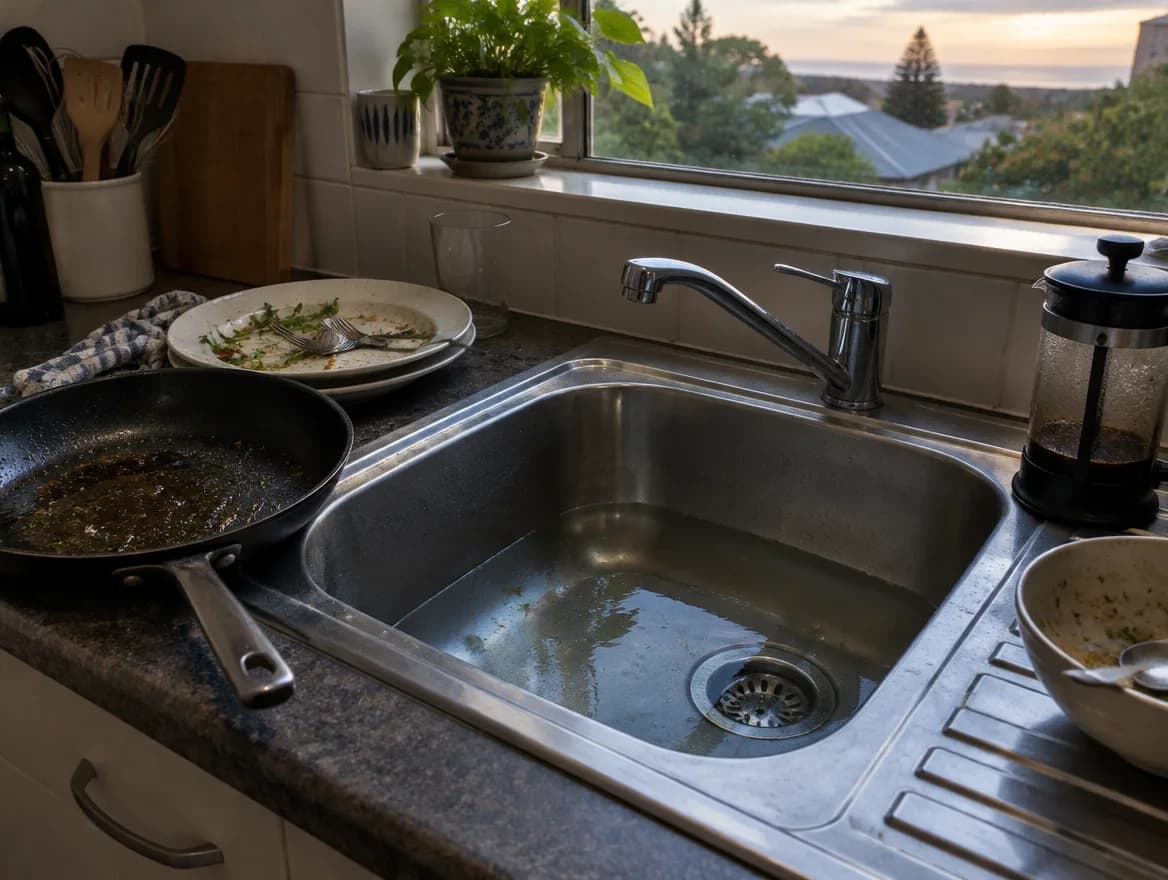 01
Cooking oil, fat, food scraps and coffee grounds set into a coating that narrows the pipe and starts to smell. Jetting washes it off the walls.
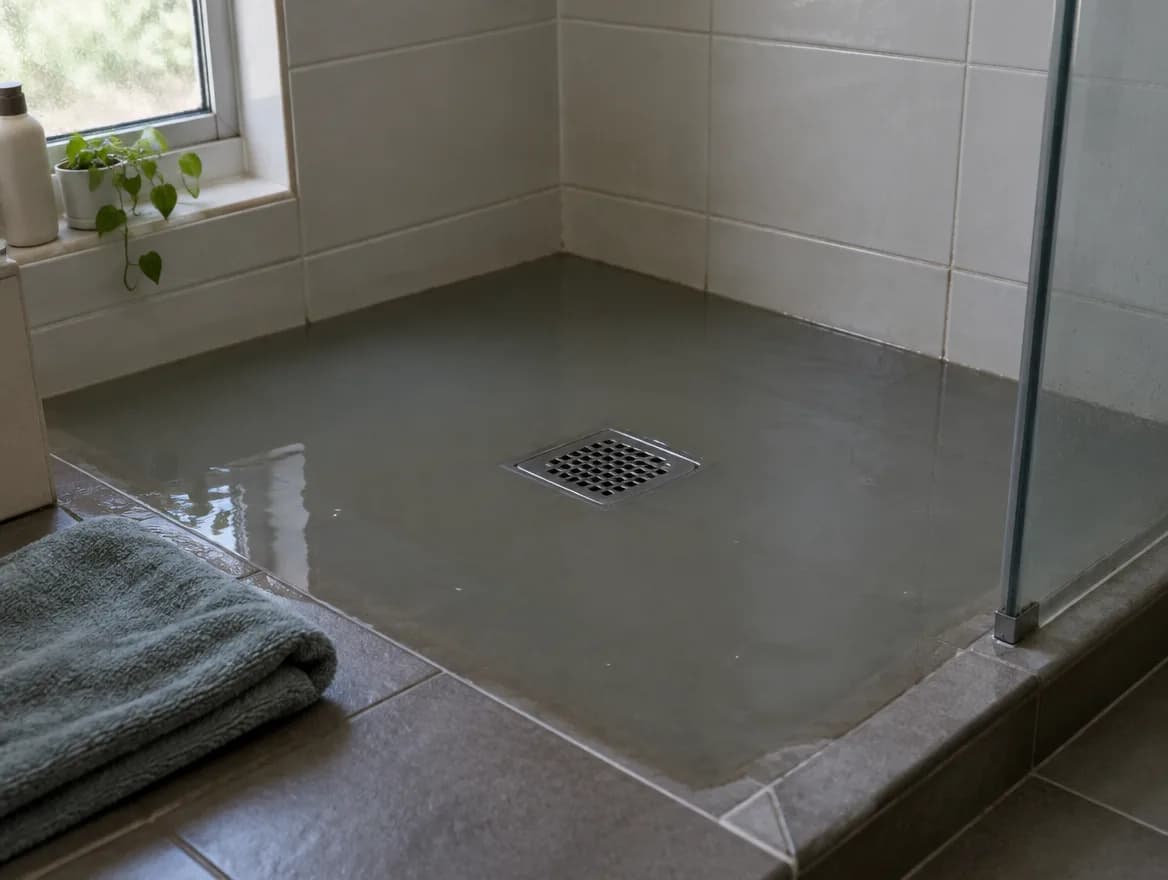 02
Hair and soap scum mat together into long plugs that cling to the pipe. Toilets block on wipes and too much paper. Both are cleared and the line flushed through.
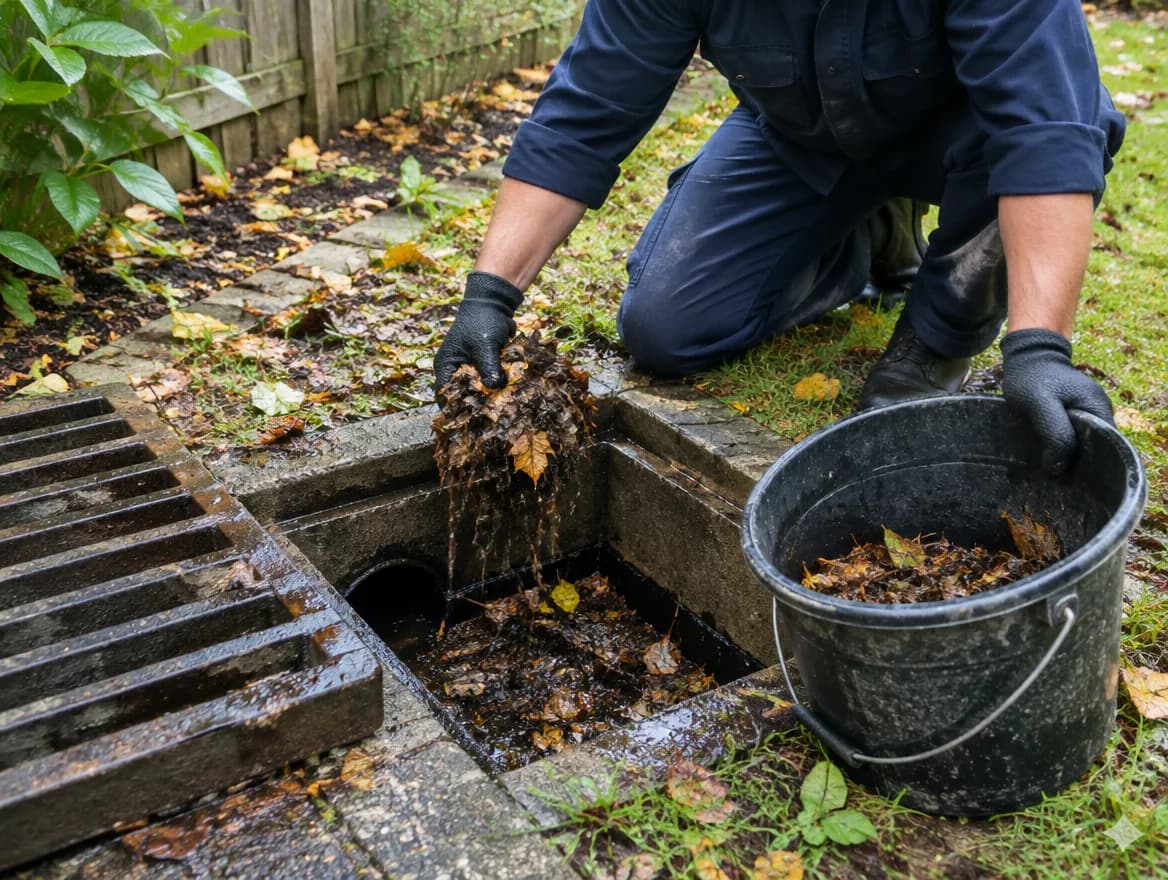 03
Leaves, silt and roots fill pits and pipes until a downpour has nowhere to go. A clean before storm season is easier than a flooded yard.
Stormwater drainage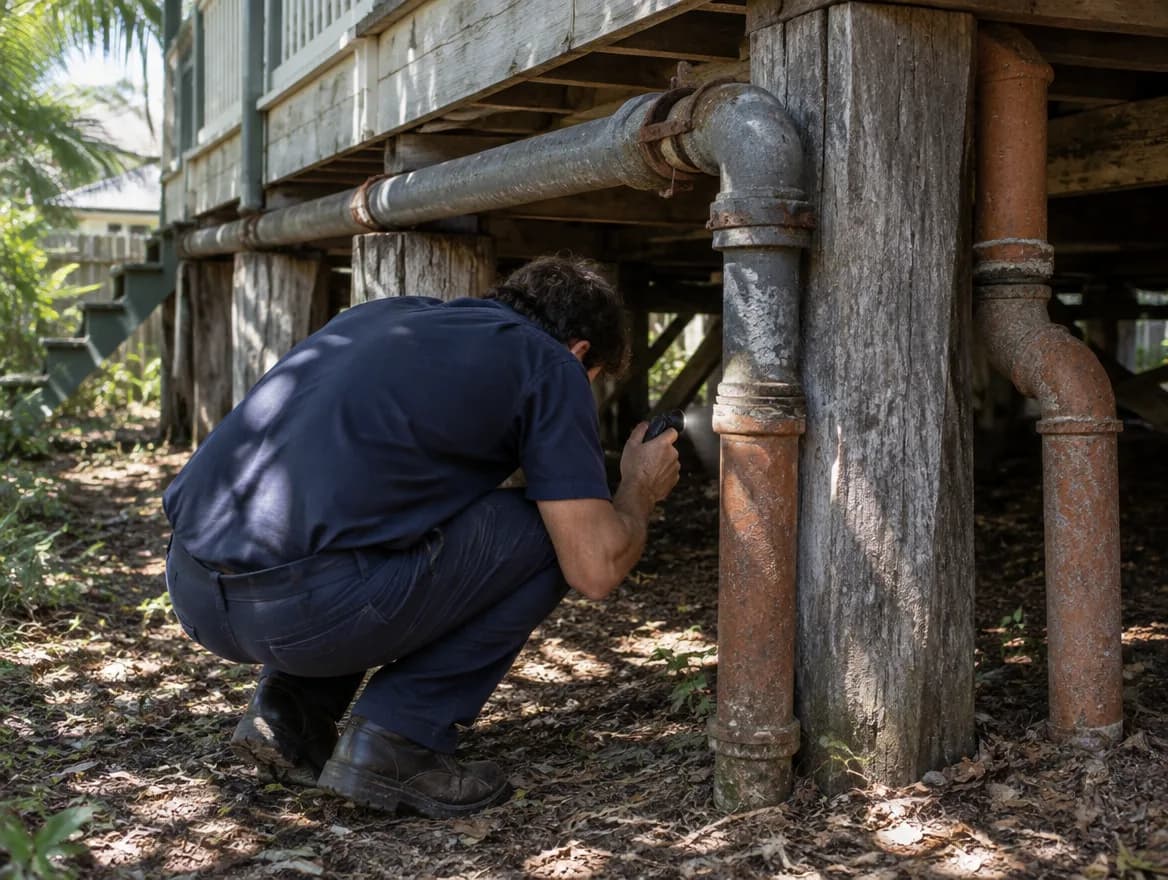 04
Decades-old clay, concrete and cast iron lines collect sediment, separate at the joints and let roots in. They need a gentler, more careful clean.
Drain cleaning maintenance
Clean on a schedule, not in a crisis.
For drains that block every year or so, a planned clean is usually less hassle than waiting for the next backup.
Catch it while it's partial
A drain that's slowing down is easier to clean than one that's stopped, and nothing overflows.
Keep roots in check
Where roots get into a line that isn't due for repair yet, regular jetting keeps them cut back.
Ready for storm season
Clearing stormwater pits and pipes before summer storms gives the water somewhere to go.
Busy kitchens
Large households and homes that cook a lot build up grease faster. A routine clean stops the slow creep.
Rentals and strata
Planned cleaning means fewer urgent calls from tenants and fewer surprises for owners.
A record of the line
Each visit tells us how quickly the drain fouls, so we can suggest how often it really needs doing.
Drain cleaning FAQ
Good questions about drain cleaning.
Can't see yours? Our friendly team is happy to help.
Yes for pipes in reasonable condition. We set the pressure and nozzle to suit the pipe material and size. If a line is badly cracked or collapsed, we'll camera it first and talk to you about a repair before cleaning it hard.
They're all names for the same thing: cleaning drains with water at high pressure through a specialised nozzle.
Most household drains only need cleaning when there's a problem. Lines with roots, heavy grease use or a history of blocking may need a clean every year or two. We'll suggest a sensible interval based on what we find.
When a drain keeps blocking, roots are suspected, several fixtures are affected, or you're weighing up a bigger repair. Cleaning restores the flow; the camera tells you why it stopped.
Jetting cuts roots back and flushes them out, but if the pipe has a crack or open joint, they'll grow back in. A long-term fix means repairing the pipe, and relining may be an option where the pipe is suitable.
Yes. The same jetters and cameras work on larger lines for shops, offices and strata buildings. Tell us about the site when you get in touch.
More Blocked Drains services
More ways we look after your drains
Drain cleaning across Brisbane
Get the whole pipe flowing again.
Tell us which drains are slow and how long it's been going on. We'll explain what's involved and the price before we start.