

Sewer line repair Brisbane
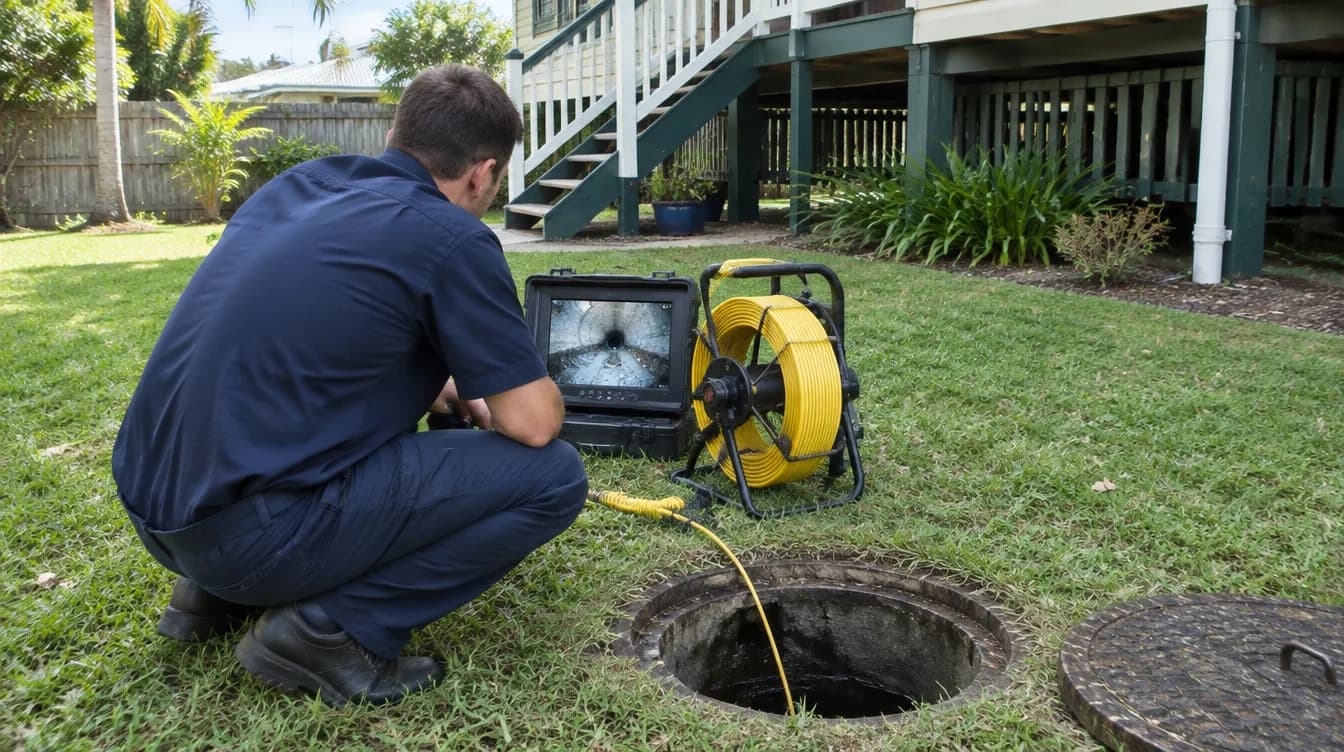
Broken sewer pipe? Let's see it before we fix it.
A cracked or collapsed sewer line rarely fixes itself, and guessing at it gets expensive. We put a camera down the line, find exactly where the damage is, and talk you through the repair that suits your pipe.
The short version
- 1Camera inspection and pipe locator before any repair is chosen
- 2Patch, reline or replace: we explain why one fits your pipe
- 3Price agreed before work starts, 12-month workmanship guarantee
Signs of a broken sewer pipe
Blocked, or actually broken?
A blockage and a broken pipe can look alike from inside the house. Tick what you've noticed and see which one it leans towards.
Your result
What have you noticed?
Pick everything that applies, even if it seems minor.
A rough guide only. The camera tells us what's really going on before we suggest a repair.
What the camera finds
Four ways a sewer line fails.
Most damage we find falls into one of these. Which one you have, and how much of the pipe it affects, decides the repair.
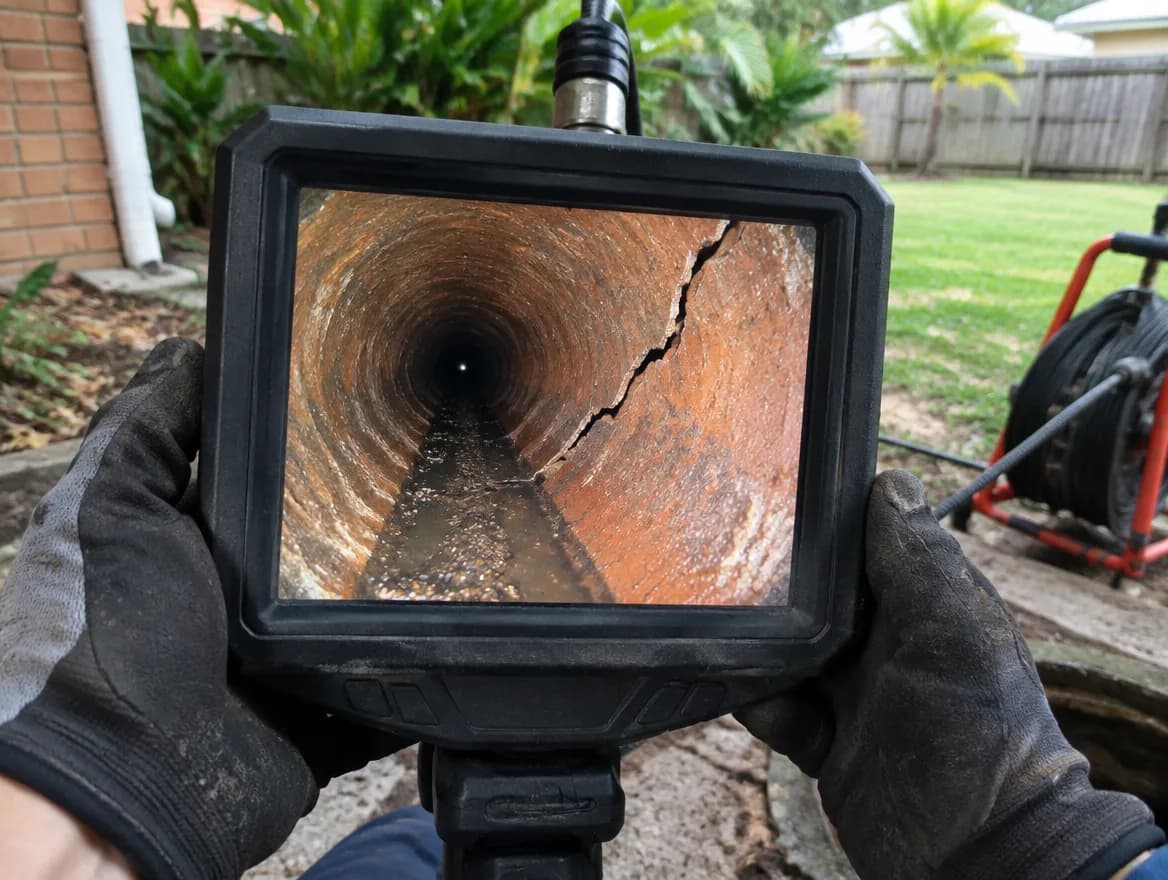
Older clay and earthenware lines
Cracks
Ground movement, age and pressure from above can split a pipe. A small crack leaks slowly into the soil and gives roots a way in.
Often repaired by
A section repair or relining, if the rest of the pipe is in fair shape.
How we diagnose sewer damage
Find it first. Then decide.
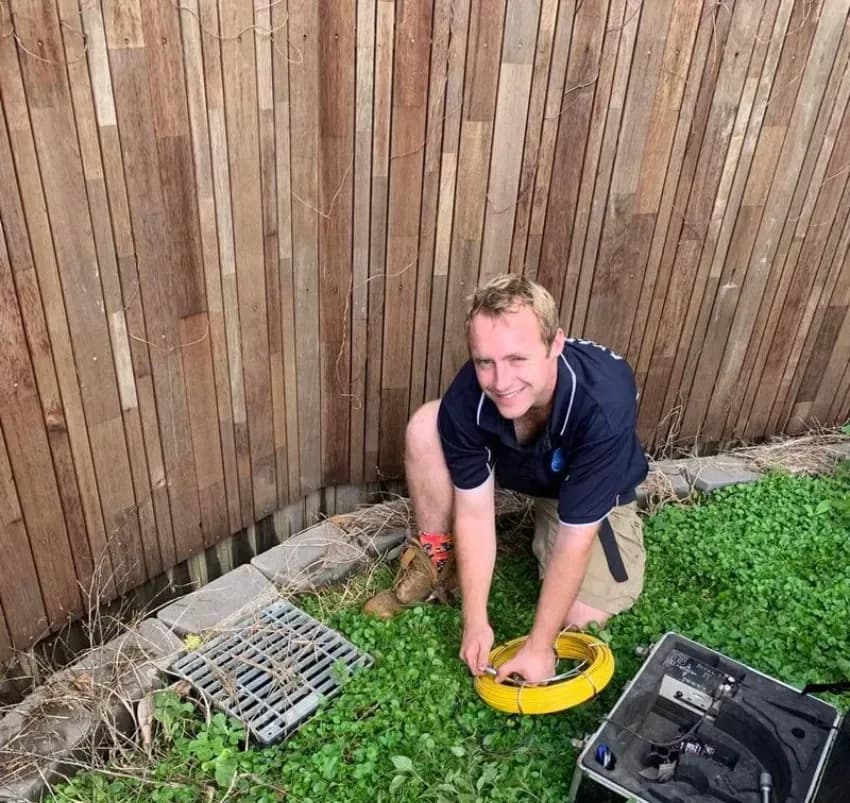
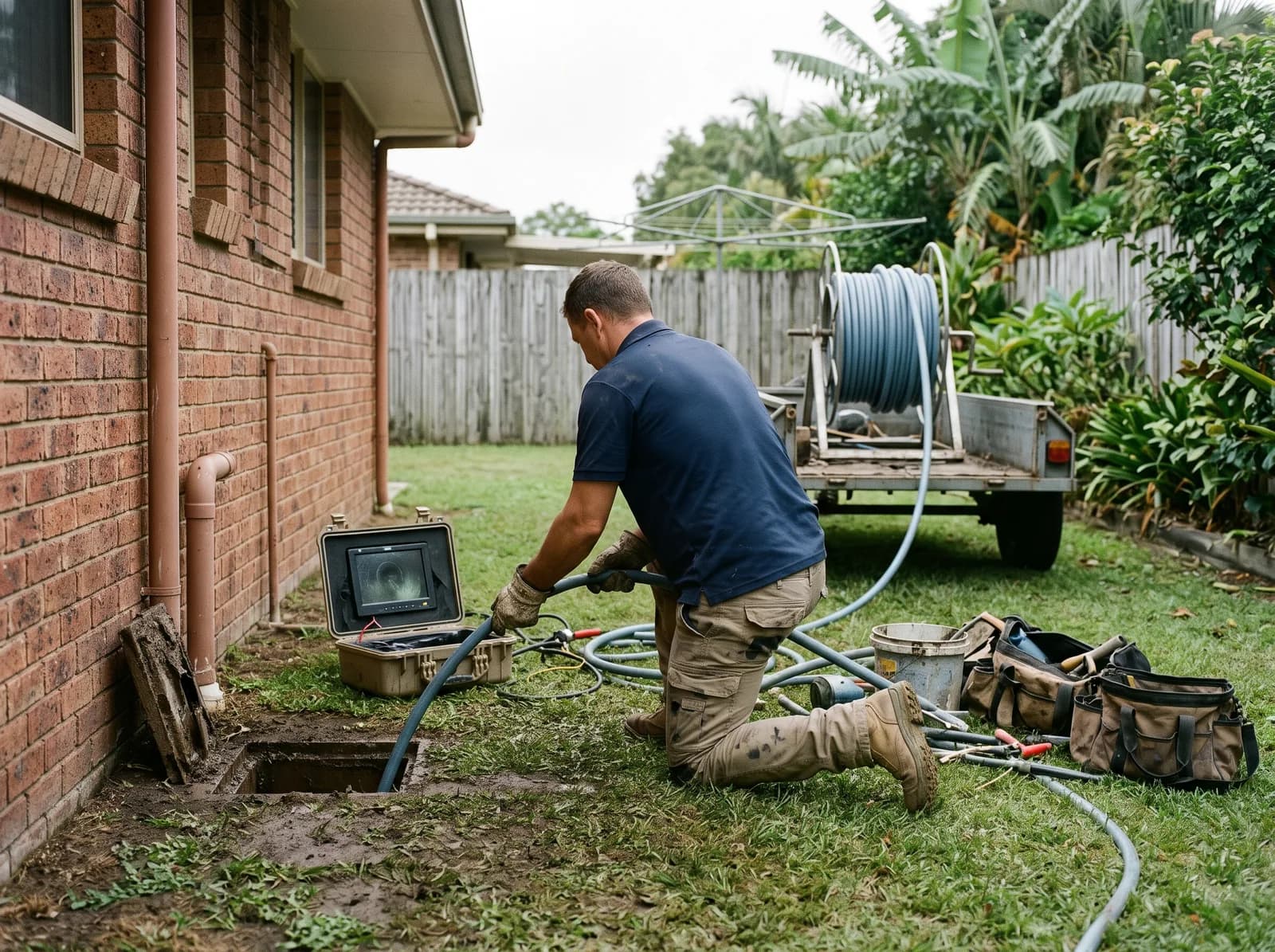
Every sewer repair starts with a look inside. We feed a CCTV drain camera through an inspection opening or gully and record the whole run, so we can see the damage, how long it is and what the pipe either side looks like.
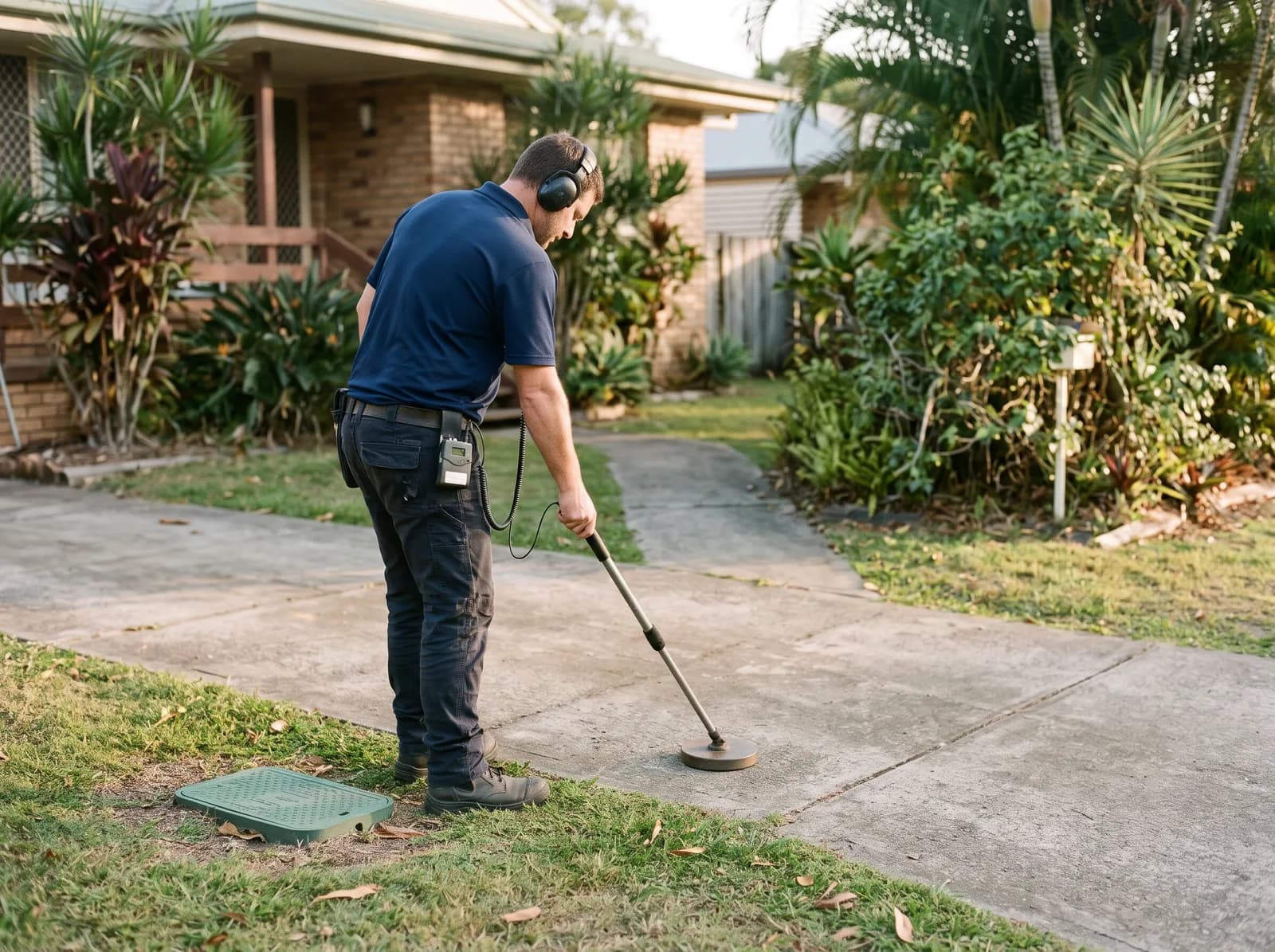
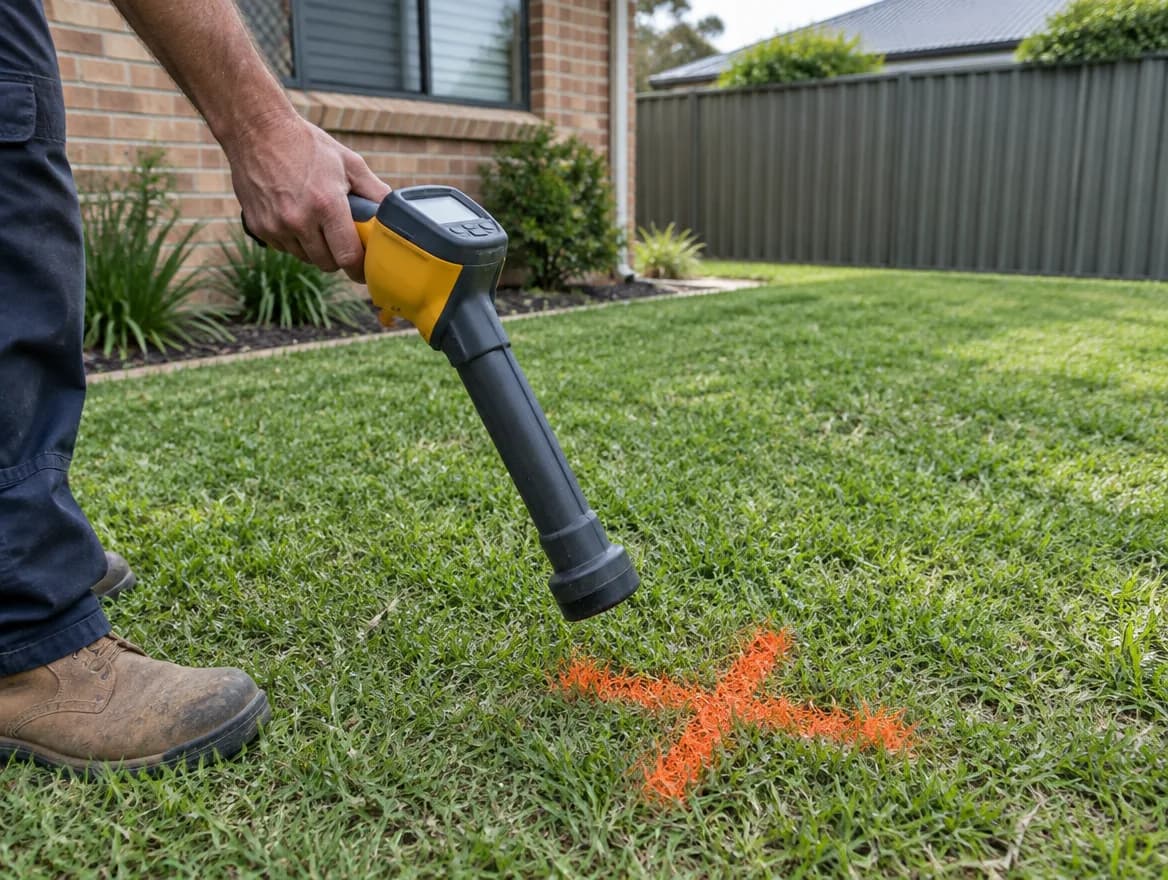
Then a pipe locator traces the camera head from above ground. We mark the exact position and depth of the problem on your lawn, path or driveway, which tells us what's sitting on top of it and how we'd reach it.
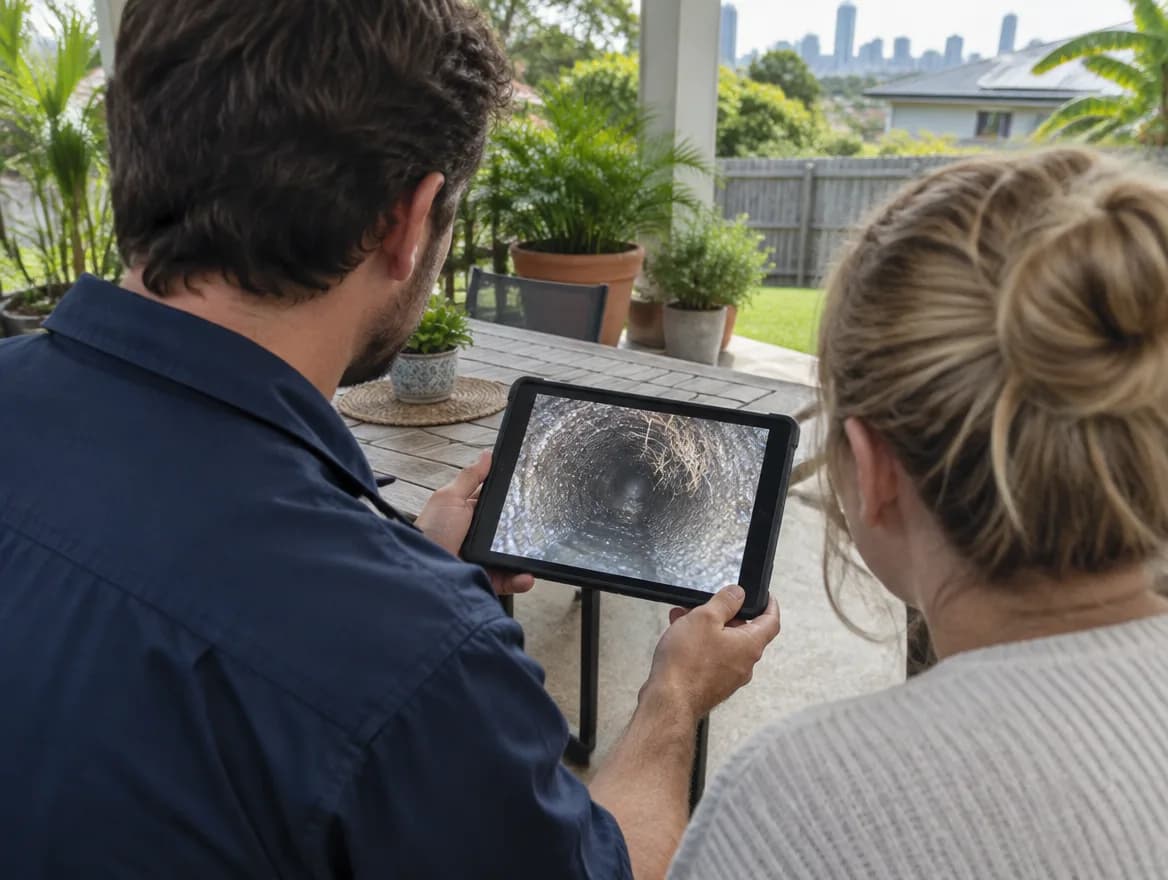
You see the footage with us. No repair is booked until you understand what we found and what each option involves.
- Multiple CCTV drain cameras in the team
- Pipe locators to pinpoint position and depth
- Footage you can see for yourself
Same drain, same problem, every few months?
A repeat blockage is often a pipe asking to be repaired. Book a camera inspection and find out what's down there.
Sewer repair options
Patch, reline or replace? It depends on the pipe.
No option wins every time. Here's how the three main repairs compare, in plain terms.
What it is
- Section repair
- We dig at one spot and replace or reconnect the damaged piece.
- Pipe relining
- A new lining is cured inside the old pipe, done from an access point.
- Dig and replace
- We open up the run and lay new pipe in place of the old.
Suits
- Section repair
- One short, local fault in an otherwise sound pipe.
- Pipe relining
- Cracks and root entry where the pipe still holds its shape.
- Dig and replace
- Collapsed, badly sagging or heavily damaged lines.
Digging
- Section repair
- A small, targeted hole.
- Pipe relining
- Usually far less than replacement, but not always none.
- Dig and replace
- The most, along the affected length.
Worth knowing
- Section repair
- If the rest of the line is tired, other faults may follow.
- Pipe relining
- Only an option where the camera shows the pipework is suitable.
- Dig and replace
- Gives you brand-new pipe and lets us fix grade or layout.
We may combine options on one line, such as replacing a collapsed section and relining the rest where suitable.
How we choose the repair
The questions we answer before we recommend anything.
The footage gives us the facts. These are the things we weigh up with you.
How much of the pipe is damaged?
One bad joint and a whole failing run call for different fixes.
Is the pipe still round?
A pipe that has kept its shape opens up more options than one that has collapsed.
What's on top of it?
A slab, driveway, deck or established tree changes the cost of digging.
Where can we get in?
Inspection openings and gullies decide how the line can be reached from inside.
Does the fall need fixing?
A sunken section that holds water usually has to be dug up and re-laid.
What will last for you?
We'll tell you honestly if a quick patch is likely to buy only a little time.
Who's responsible for the repair?
Your pipe, or the water utility's?
Where the damage sits matters. As a general guide in South East Queensland:
Usually the property owner
- Pipes from the house to the sewer connection
- Branch lines from toilets, showers and sinks
- Gullies and inspection openings on your side
- Damage from your own trees or works
Usually the water utility
- The sewer main itself
- Often the connection point to the main
- Faults in the main that affect neighbours too
If the footage shows the fault is in the utility's main, we'll tell you and you can report it to your provider: Urban Utilities, Unitywater, Logan Water or Redland City Council, depending on where you live.
Arrangements vary by provider and property, so check with yours if you're unsure.
Sewer repair FAQ
What people ask about broken sewer pipes.
Can't see yours? Our friendly team is happy to help.
Blockages that keep coming back, roots in the line, a soggy patch or sinking ground over the pipe all point to damage rather than a simple build-up. A camera inspection is the only way to know for sure.
It depends on how much of the pipe is damaged, how deep it is, what's on top of it and which repair suits. We work that out with the camera first, then give you the price before any work goes ahead.
Usually not. Relining needs a pipe that still holds its shape. A collapsed section normally has to be dug up and replaced, though the rest of the line may still suit relining.
Not always. A section repair needs one small hole, and relining may avoid most digging where the pipework is suitable. If a full replacement is needed, we'll explain what gets dug, where, and what happens afterwards.
If sewage is coming up or fixtures are backing up, yes. Stop using water and call us; a backing-up sewer is booked as same-day emergency work during operating hours. Slow drains and smells are less urgent, but worth booking in.
You can, for a while. But if roots or waste are getting in through damaged pipe, the blockages will keep returning, and the damage usually grows. Repairing the cause tends to cost less over time.
If the fault turns out to be in the sewer main, we'll show you the footage and explain who to report it to. For repairs on your side, we handle the plumbing work and explain what's involved.
More Relining & Excavation services
Other ways we repair damaged pipes
Sewer trouble in Brisbane?
Find the damage, then fix it properly.
Call the office or send us a few details. We'll book the camera in, show you what we find and give you the price before any repair begins.