


In this post
Signs of a Gas Leak
Here are some telltale signs of a gas leak, especially around your hot water system:
Distinct odour
Natural gas is inherently odourless, but due to safety reasons, an odorant known as mercaptan is added to give it a distinctive smell. This rotten egg odour is intentionally pungent, making a gas leak easier to notice. If you smell this distinct odour, it's crucial not to ignore it. Even a faint smell of gas should be taken seriously: leave the area and call your gas supplier's emergency line or a licensed gas fitter.
Hissing sounds
Gas escaping from a pipe or a fitting can produce a hissing or whistling sound. This audible cue is often an early warning sign of a gas leak. If you hear such sounds, especially near gas appliances, it's essential to leave the area and call a licensed gas fitter. Do not attempt to find or fix the issue yourself.
Dead plants
Gas leaks can affect outdoor vegetation, leading to wilting or even death of plants. A leak in the soil may deprive plant roots of air. If you notice sudden changes in your garden or lawn, consider the possibility of an underground gas leak, but remember this is not a reliable test on its own.
Physical symptoms
Inhaling natural gas could lead to various health issues, including dizziness, nausea, fatigue, and headaches. If you or your family members experience these symptoms without an apparent cause, it's crucial to consider the possibility of a gas leak. Get everyone outside into fresh air and call 000.
Bubbles in water
Gas leaks can also affect water sources. If bubbles rise in a puddle or wet ground above a gas line, it may indicate a gas leak below the surface. This can happen when escaping gas rises through the water.
Safety First: What to Do if You Suspect a Gas Leak
- Evacuate immediately: Your safety is paramount. If you detect a strong gas odour or suspect a leak, evacuate everyone from the building immediately. The aim is to get to a safe distance away to avoid potential ignition sources. Do not use switches or electrical devices inside the building, as they can create sparks.
- Do not flip switches: It's crucial to avoid turning on or off any electrical switches, appliances, or lights. This includes refraining from using a landline phone, which can generate sparks and pose a significant risk of ignition.
- Leave doors and windows ajar: If it is safe and quick to do so as you exit the building, leave doors and windows open. This helps disperse the gas and reduces the risk of a concentrated buildup, minimising the potential for ignition once emergency services arrive.
- Call for help: Once you are well away from the gas in a safe location, call your gas supplier's emergency line or a licensed gas fitter. If there is a fire, a strong smell of gas or anyone feels unwell, call 000. Report the gas leak and follow their instructions.

Calling in the Experts: Why DIY Isn't the Solution
You might be a keen DIYer, but gas issues are a job for a licensed gas fitter. Safety and legal compliance make it a different matter. This isn't the time for a DIY fix.
Safety concerns
Gas-related issues are inherently dangerous, with the potential for explosions or fires. Professionals are specifically trained to handle these situations safely and know how to minimise risks during repairs. Attempting a DIY fix can jeopardise your safety and the safety of those around you.
Specialised equipment
Plumbers use specialised tools designed for detecting and repairing gas leaks. Gas detectors, electronic sniffers, and pressure testing equipment are among the tools of the trade. Using these tools ensures precise identification of the issue and effective resolution.
Legal compliance
Gas-related work must comply with specific regulations and safety standards. Professional plumbers are well-versed in these requirements, ensuring that any repairs or installations meet legal standards. This helps protect your safety and keeps you on the right side of the regulations.
Thorough inspection
Plumbers conduct thorough inspections to identify the source and extent of the gas leak. This comprehensive assessment is critical for effective and lasting repairs. Professionals can pinpoint hidden leaks and weak points in the gas system, addressing them to prevent future issues.
How Plumbers Detect Gas Leaks
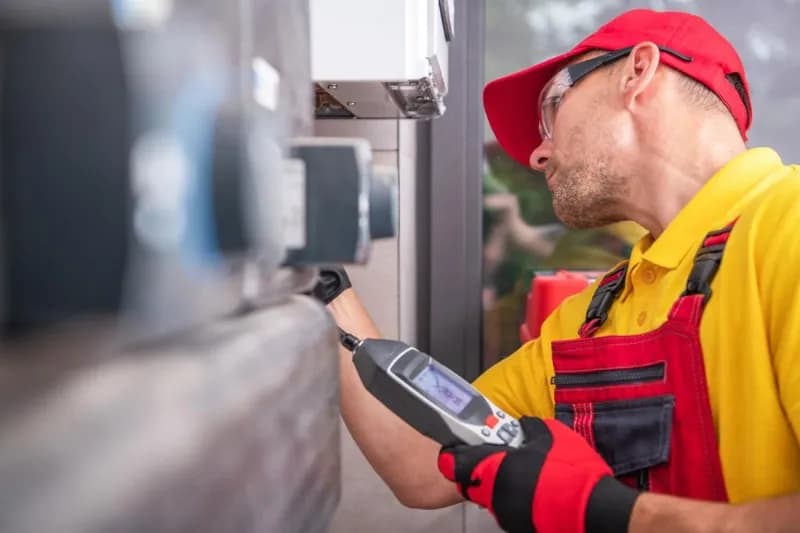
Gas leaks can be elusive and dangerous, requiring specialised tools and techniques for accurate detection. Plumbers undergo rigorous training to handle these situations, ensuring the safety of homeowners and the efficient resolution of the problem.
- Gas Leak Detectors: Gas detectors are fundamental tools in a plumber's arsenal. These handheld gas leak detection devices are equipped with sensors that can detect even the most minute traces of natural gas in the air. When the detector senses gas, it emits an audible alarm or visual signal, helping plumbers pinpoint the exact location of the leak quickly.
- Pressure Tests: Plumbers often perform pressure tests on gas lines to identify leaks or weaknesses in the system. The process involves pressurising the gas lines and monitoring for any pressure drop. A significant pressure drop indicates a potential leak, prompting further investigation and repairs.
- Electronic Sniffers: Electronic sniffers are sophisticated devices designed to detect the presence of gas. These tools are invaluable for pinpointing the source of a gas leak, especially in situations where the leak might not be immediately visible. Plumbers use electronic sniffers to survey areas efficiently and identify gas concentrations.
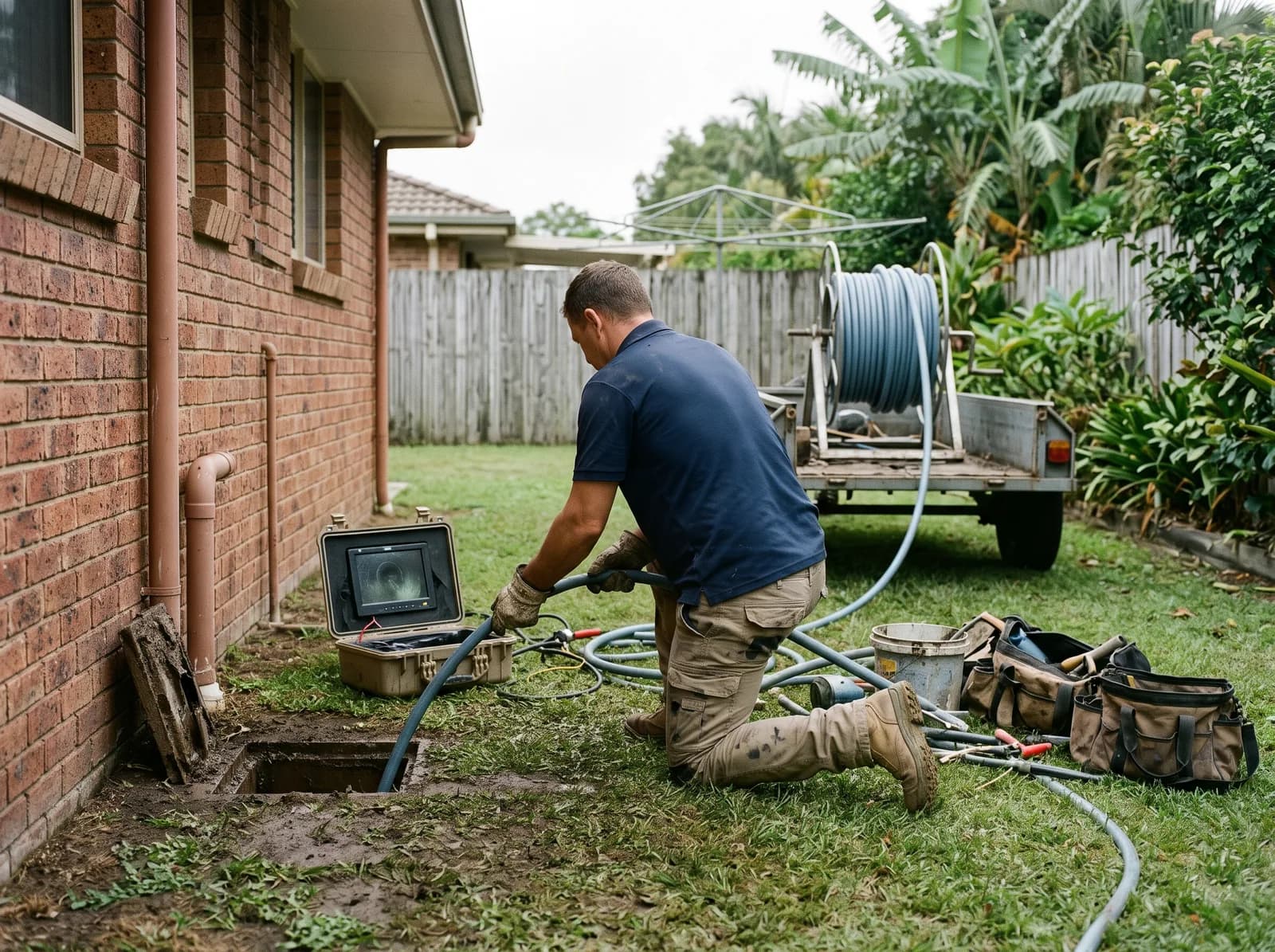
- Visual Inspections: Experienced plumbers rely on visual inspections to identify potential issues with gas lines and appliances. During these inspections, they look for visible signs of damage, corrosion, or wear on gas pipes. Gas appliances are also scrutinised for abnormalities that might indicate a leak, such as soot or discolouration.
- Thermal Imaging: Some specialised infrared imaging cameras can help identify certain gas leaks without opening up walls or floors. They suit only some situations, so other methods are used more often.
- Dye Testing: Plumbers may use dye testing to identify gas leaks in pipes. This involves adding a coloured dye to the gas lines, which then emerges at the site of a leak. While less common than other methods, dye testing can be effective in certain situations, providing a visual indicator of the leak.
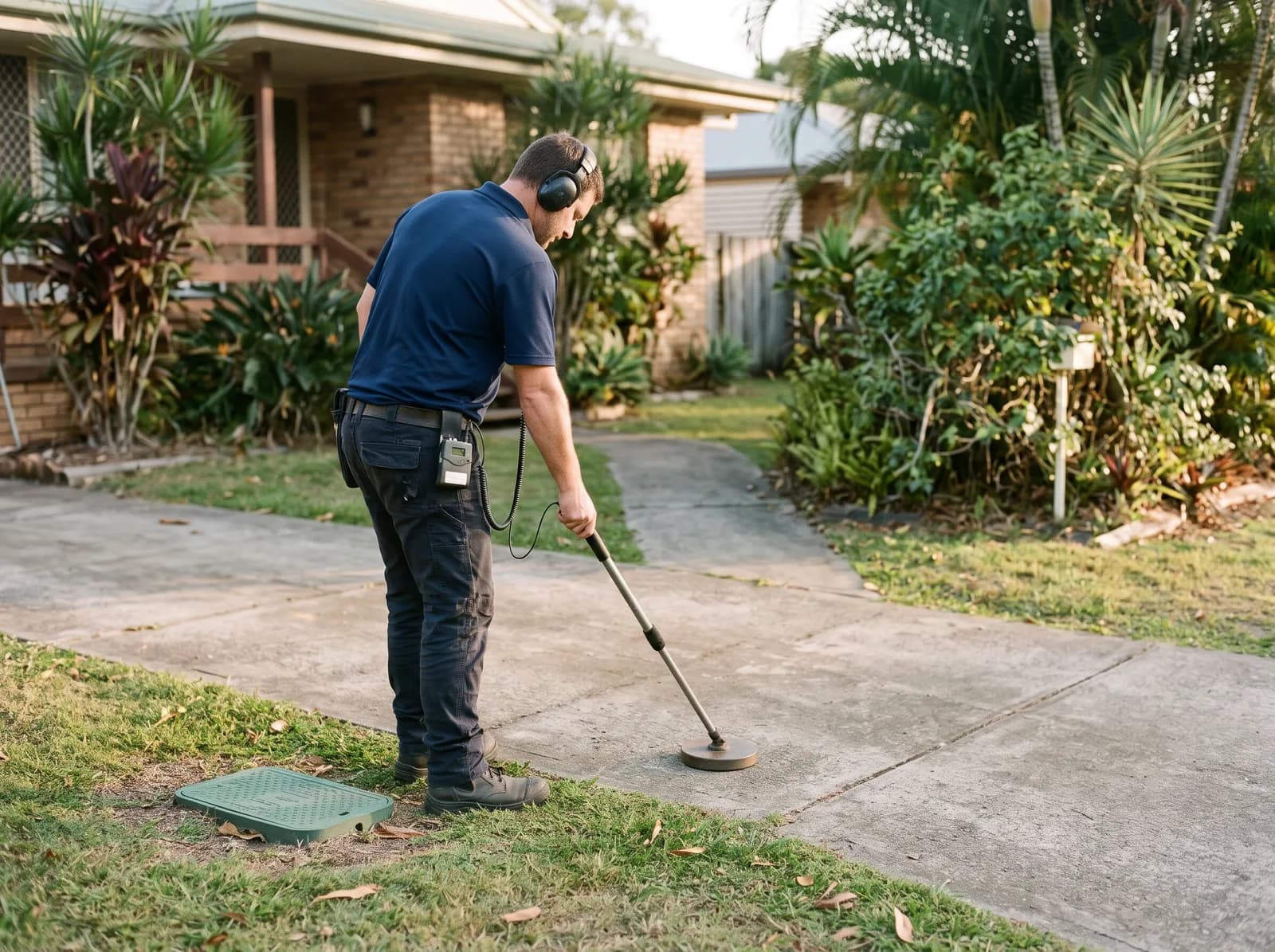
- Ultrasonic Leak Detection: Ultrasonic gas leak detection involves using specialised equipment to detect high-frequency sound waves from gas leaks. Plumbers can hone in on the distinct sounds of escaping gas, even when the leak is not easily visible.
- Gas Line Inspections: In cases where the source of a gas leak is not immediately apparent, plumbers may conduct thorough gas line inspections. This involves examining the entire length of the gas lines, including connections and fittings, to identify any potential issues.
- Combustible Gas Meters: Plumbers use combustible gas meters to measure the gas concentration in the air. These meters provide real-time readings, helping plumbers assess the severity of a gas leak and take appropriate action.
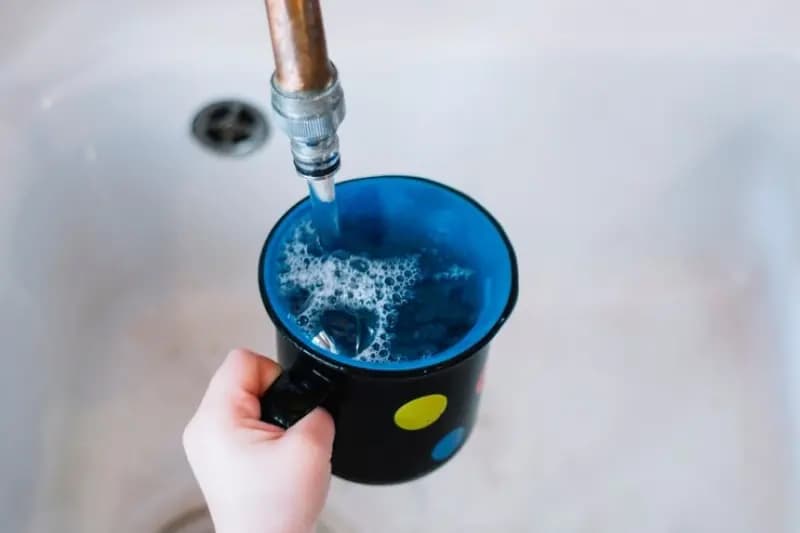
- Soapy Water Test: The soapy water test is a simple yet effective method for detecting gas leaks in fittings and connections. Plumbers apply a soapy water solution to the suspected area and look for bubbles indicating a leak. This method is commonly used for checking the integrity of gas connections.
The Importance of Regular Inspections
- Early Detection: Regular inspections enable plumbers to detect minor issues before they escalate into major problems. This proactive approach can prevent gas leaks from occurring in the first place, ensuring the safety of your home and its occupants.
- Extend Appliance Lifespan: Gas appliances, such as hot water systems and stoves, benefit from regular maintenance. Inspections can identify and address potential issues, ultimately extending the lifespan of these appliances and potentially saving you money on replacements.
- Peace of Mind: Regular inspections provide peace of mind, knowing your gas system is consistently monitored and maintained. This assurance allows you to trust that your home is a safe environment for you and your family, free from the potential dangers of gas leaks.
Seeking Expert Help: A Wise Move for Gas Safety
This guide has covered how plumbers find gas leaks. A vigilant approach is non-negotiable when it comes to the safety of your home and loved ones.
While DIY might be tempting for some household fixes, gas-related issues are a different matter altogether. Plumbers bring specialised tools, years of expertise, and a knack for detecting the most elusive leaks. From gas detectors to thermal imaging, they've got the right gear to handle the job.
Your home's gas safety is in better hands when you trust a licensed professional. Regular inspections, prompt responses to suspicions, and reliance on licensed gas fitters are your best allies. Remember, safety first, always.