

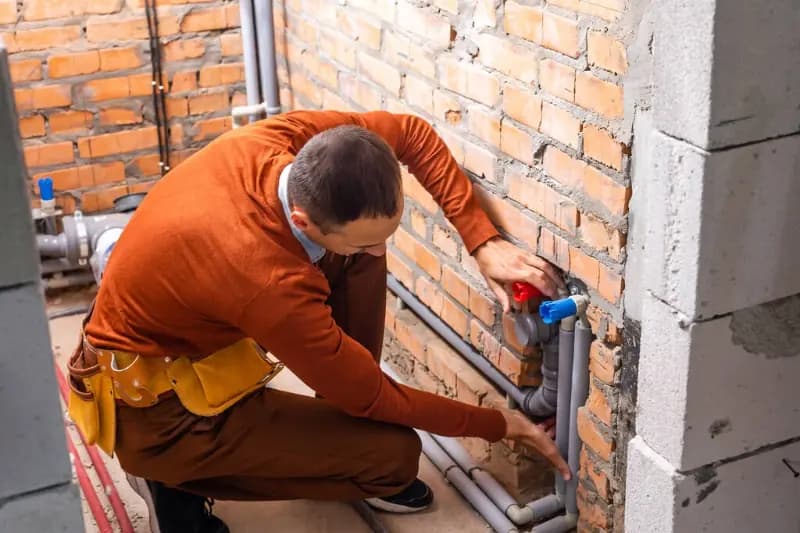
In this post
Assessing Your Water Usage
This is the first stage of your water-saving journey: assessing your water usage. A close look at your home's water consumption helps you understand and improve your water habits.
Check for leaks
The first step is to check for leaks. Leaks can quietly waste a lot of water. Examine taps, pipes, and irrigation systems for signs of drips or unusual moisture. Fixing leaks quickly stops the waste.
Review water bills
Your water bill can show how much water your household uses. Analyse it to uncover patterns and trends. Sudden spikes or anomalies can point to potential inefficiencies, guiding you towards targeted water conservation strategies.
Use water meters
Water meters for specific areas can show where your water goes. A licensed plumber can advise on installing them, which helps you focus on the areas needing your attention.
Practical Solutions for Daily Living to Save Water
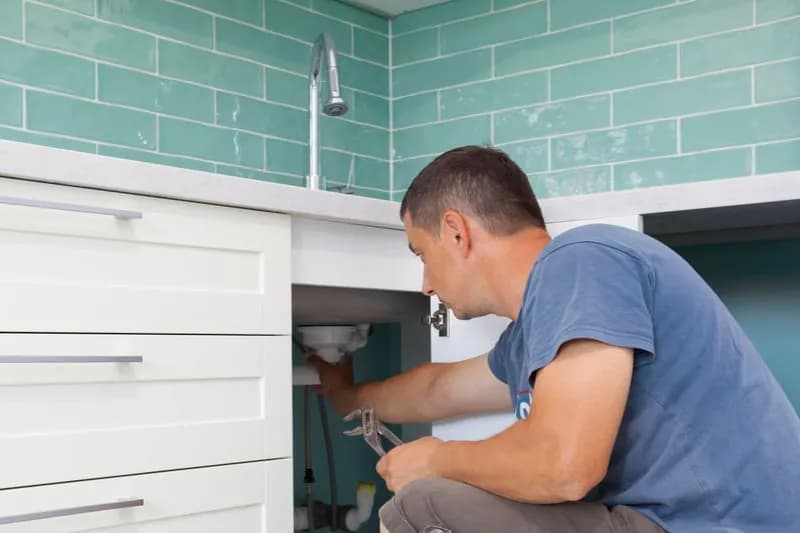
Water conservation is made simple.
Saving water doesn't have to be complex; it can be threaded seamlessly into your daily routine. Explore these practical and effective methods to impact water conservation significantly.
Fix leaks promptly
Leaky taps and pipes can contribute to significant water wastage. Fix leaks promptly. A few drops may seem insignificant, but they add up to litres over time. Regularly examine your plumbing for any signs of leaks, including damp spots, water stains, or unusual sounds.
Upgrade to low-flow fixtures.
Upgrading to low-flow fixtures for taps and showers can significantly reduce water usage. Look for products with a good WELS rating, Australia's Water Efficiency Labelling Scheme. A licensed plumber can install water-efficient fixtures tailored to your household's needs.
Collect rainwater
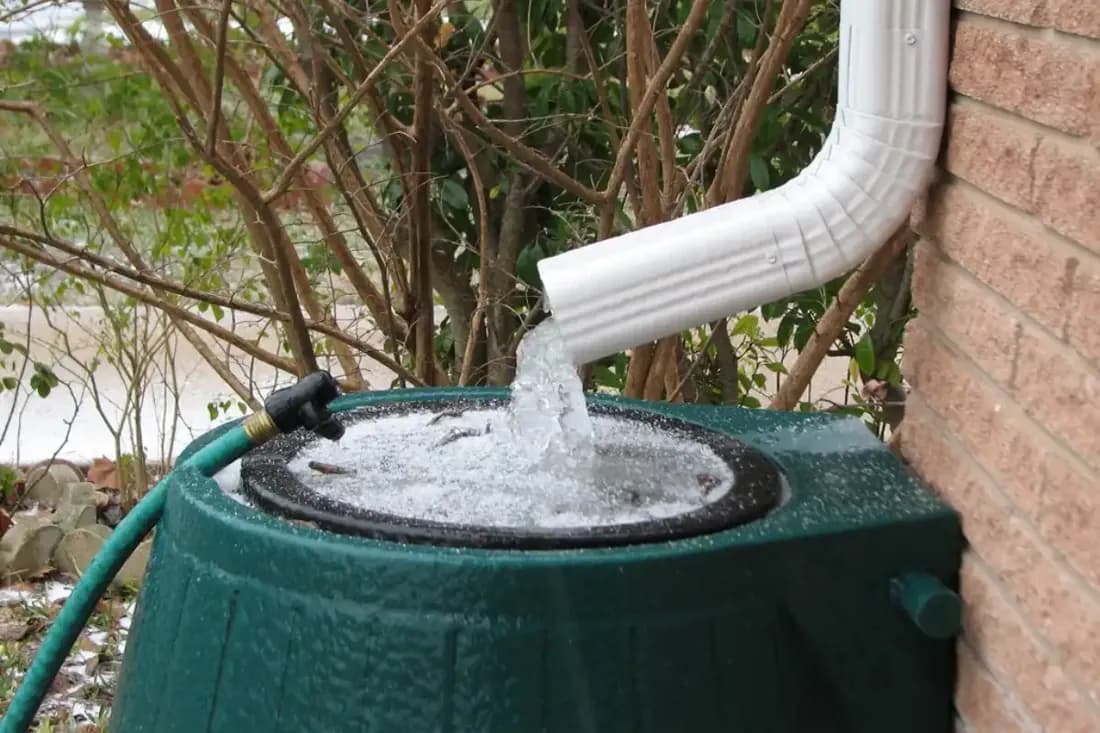
Collecting rainwater is another way to save water. A rainwater tank or containers can capture rain runoff from your roof. This harvested rainwater can be used to water plants, reducing your reliance on tap water. Have a licensed plumber connect any rainwater system to your plumbing, and consider using a filter to remove debris from the collected water.
Smart habits for water efficiency
Save water without compromising your daily comfort with these habits.
Shorten shower time
Trim a few minutes off your shower time. You'll save water and cut down on energy consumption used to heat the water. Consider using a shower timer as a friendly reminder. Opt for a low-flow showerhead to reduce water usage during each shower further.
Run full loads in appliances.
Run full loads to make the most of each cycle in your washing machine and dishwasher. This ensures that you maximise the efficiency of water and energy usage per task. Consider investing in energy-efficient appliances with water-saving features for even greater conservation benefits.
Turn off the tap while brushing.
It's a small act with a significant impact: turn off the tap while brushing your teeth. This straightforward habit can save litres of water over time, and it's a practice easy enough for everyone in the household to adopt. Place a visible reminder near the sink to encourage consistent water-saving behaviour.
Outdoor water conservation strategies
Extend your water-saving efforts beyond the walls of your home with these practical outdoor conservation strategies.
Mulch around plants
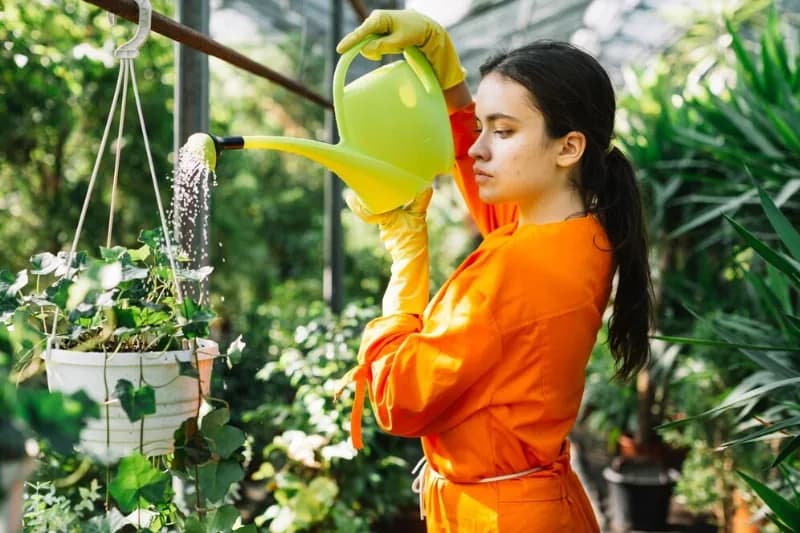
Mulching not only helps retain soil moisture but also reduces the growth of weeds that compete for water. Apply a coating of organic mulch around your plants to promote water retention and a healthier garden. Mulch also acts as insulation, protecting plant roots from extreme temperatures.
Adjust lawn mowing height.
Keep your lawn a bit taller during the hotter months. Taller grass shadows the soil, reducing evaporation and promoting more profound root growth, making your lawn more resilient to drought conditions. Set your lawnmower to a more elevated cutting height to encourage these water-saving benefits.
Water during optimal times
Water your garden during the early morning or late evening when temperatures are lower, reducing water loss through evaporation. This ensures that the water reaches the roots where it's needed most. Invest in a programmable irrigation system to automate watering schedules during these optimal times.
Technological solutions for water efficiency
Explore innovative technologies that contribute to water efficiency without compromising convenience.
Install innovative irrigation systems.
Upgrade your irrigation system with smart technology. These systems use climate data to adjust watering schedules, assuring your garden receives the right amount of water without unnecessary waste. Choose a system with sensors that detect soil moisture levels, preventing overwatering.
Choose water-efficient appliances
When it's time to replace household appliances, opt for water-efficient models. Look for a high WELS water rating and a good Energy Rating label, which show how well an appliance performs. Consider front-loading washing machines, which typically use less water than their top-loading counterparts.
Consider greywater systems
Greywater systems recycle water from laundry and bathroom use for non-potable purposes such as watering plants. They need to be installed by a licensed plumber and must comply with Queensland and local council requirements, so check these before you go ahead.
Education and advocacy for a water-responsible community
Become an advocate for water conservation by sharing knowledge and inspiring others to join the cause.
Educate others
Share water-saving tips and information with friends, family, and colleagues. Raising understanding about the importance of water conservation contributes to a broader understanding and collective commitment to sustainable practices. Utilise social media, community workshops, or newsletters to disseminate information.
Participate in community programs.
Get involved in local water conservation programs and initiatives. Many communities offer educational workshops, rebates, and incentives for adopting water-saving practices, turning individual efforts into a collective movement. Attend community events and collaborate with neighbours to amplify the impact of water conservation initiatives.
Support water-positive policies
Advocate for water-positive policies in your community. Engage with local authorities and support initiatives prioritising sustainable water management, ensuring a resilient and water-efficient future for all. Encourage community members to participate actively in discussions and decisions regarding water conservation policies.
The Future of Water Conservation: Trends & Forecasts
Peek into the future of water conservation, exploring emerging trends and forecasts that will shape the way we approach and value water in the years to come.
Water harvesting in urban planning
Uncover the potential of water harvesting as a critical component in urban planning. From green infrastructure to innovative stormwater management systems, cities adopt strategies integrating water conservation into their development plans.
Advancements in desalination technology
Explore how advancements in desalination technology are transforming the landscape of freshwater availability. As technology evolves, desalination processes become more energy-efficient and environmentally sustainable, offering solutions to water scarcity challenges.
Community-based water conservation movements
Witness the rise of community-driven water conservation movements. As collective awareness grows, communities join forces to implement large-scale projects, influence local policies, and create a ripple effect of positive change.
Navigate Water Conservation with Expert Guidance
You've reached the end of this guide, but saving water is an ongoing effort. If you'd like help with your plumbing, consider seeking expert guidance.
A licensed plumber can help with leaks, water-efficient fixtures and irrigation problems, so you're not on your own.
If you run into plumbing problems you can't sort out yourself, don't hesitate to call a licensed plumber.