






In this post
Understanding Blocked Shower Drains Causes
Shower drains are more complicated than they look, and understanding blockages goes beyond the surface level. Let's dive deeper into the causes of blocked shower drains, unravelling the complexities beneath the drain cover.
Hair accumulation
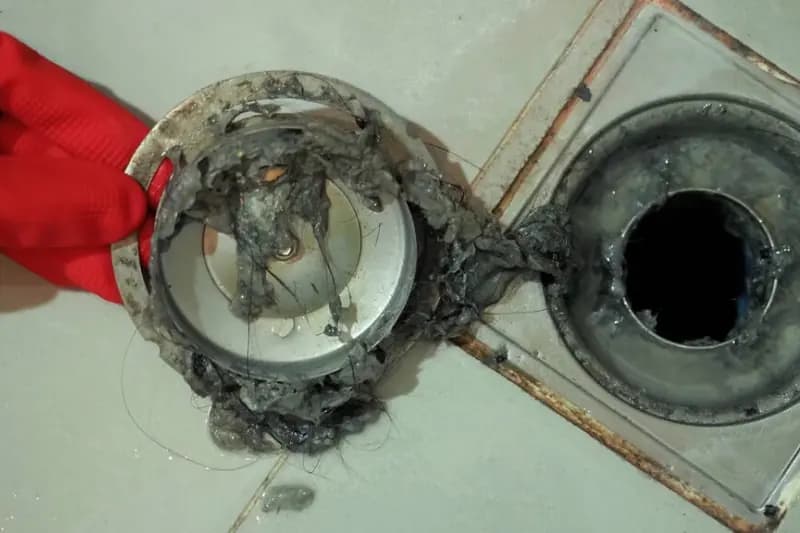
Hair is one of the most common causes of blocked drains and often forms a web within your pipes. As you shower, loose strands intertwine with soap and other residues, creating a sticky mass that clings to the walls of your plumbing. This accumulation impedes water flow and serves as a foundation for additional debris, intensifying the blockage over time.
Soap scum formation
Soap can also cause blockages. When soap interacts with hard water minerals, it forms soap scum, a sticky residue that adheres to the pipes' interior.
Like a stubborn film, this residue captures other particles, compounding the blockage. Recognising soap scum as a recurring problem emphasises the need for targeted cleaning measures.
Debris buildup
Beyond the familiar causes of hair and soap scum, various debris particles find their way into your drain. Skin cells, dirt, and small objects can also cause blockages. Acknowledging this underscores the importance of regular cleaning and maintaining vigilant measures to keep your plumbing system debris-free.
Setting the Stage for Unclogging Your Shower Drain
Before trying the specific techniques, laying the groundwork for a successful shower drain unclogging job is crucial. These preliminary steps ensure you approach the task with the right mindset and tools. Let's explore the essential preliminaries.
Gather your arsenal of tools
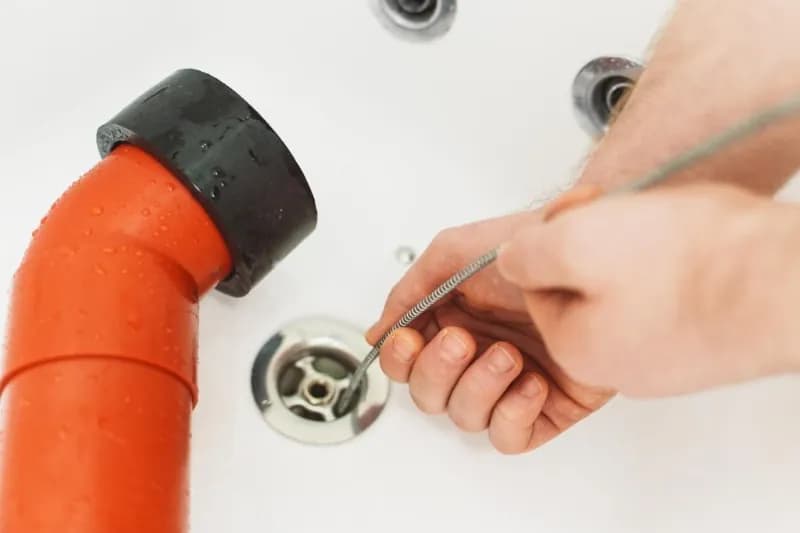
Before you start, assemble the tools that will aid you in the process. These may include a plunger, screwdriver, tweezers or pliers, bicarb soda, vinegar, and a drain snake. Having the right tools at your disposal ensures that you can adapt to the specific nature of the clog you encounter.
Protective gear first
Before you start, put on rubber gloves and safety goggles. These simple precautions shield you from potential irritants and ensure a safe and hygienic unclogging experience.
Assess the severity of the clog
Take a moment to assess the severity of the clog. Is the water draining slowly, or is it standing still? Understanding the extent of the blockage helps you determine which techniques to prioritise and how much effort may be required.
By attending to these preliminary steps, you're not only arming yourself with the right tools but also gauging the job ahead. Now, as you move on to the specific unclogging techniques, you'll do so with a prepared and strategic approach.
Unclogging Strategies for Your Shower Drain
With the preliminary steps behind us, it's time to explore ways to clear your shower drain. Brace yourself for a detailed playbook on breaking through clogs and restoring the natural water flow in your sanctuary.
Vigorous plunging technique
Create an air-tight seal around the drain with a plunger. Engage in a series of vigorous motions to dislodge the clog.
Use a forceful push and pull aimed at breaking the resistance. Repeat until the water flows freely.
DIY drain cleaner
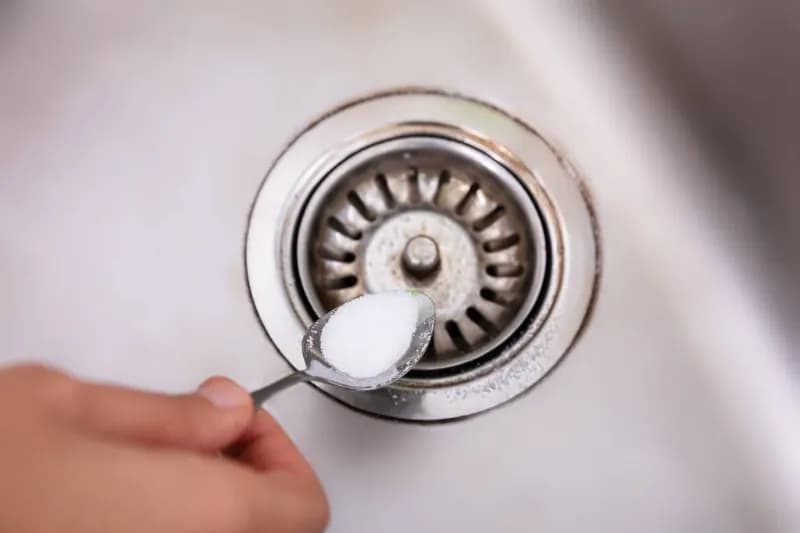
Combine roughly half a cup of bicarb soda with an equal part of vinegar. Pour the mixture down the drain and let it fizz for about 15 minutes. The reaction helps break down greasy substances and clear minor blockages. Finish by flushing with hot water to wash away the debris.
Strategic drain snaking
For clogs deeper in your pipes, use a drain snake. Insert this flexible tool into the drain, rotating the handle to navigate through the twists and turns of your plumbing.
The snake's mission is clear: grab onto or break up the blockage, allowing water to flow freely. Patience is critical here; think of it as working through the blockage step by step.
Enzymatic drain cleaners
Enzymatic drain cleaners use natural enzymes to break down any organic matter, such as hair and soap scum.
Pouring an enzymatic cleaner down your drain every month can contribute to keeping your pipes clean and reducing the risk of blockages. Follow the product instructions diligently for optimal results without compromising your plumbing.
Hot salt water rinse
Mix a handful of salt into very hot (not boiling) tap water and carefully pour it down the drain. The abrasive nature of salt and the heat can help break down greasy buildups and maintain a clear pathway for water flow.
Wet and dry vacuum
If you have a wet and dry vacuum, you can use it on the drain. Seal the vacuum around the drain opening and set it to the liquid suction setting. The vacuum's powerful suction may dislodge stubborn clogs, especially when dealing with a combination of liquids and debris.
Preventive Measures to Avoid Future Clogs
Install a drain cover
Consider installing a drain cover with smaller holes to catch hair and large debris before they enter the pipes. These covers act as a barrier, preventing the accumulation of substances that lead to blockages. Choose a design that is easy to remove for regular cleaning.
Use a drain strainer
Employ a drain strainer that fits over the drain opening. This simple device captures hair and debris, allowing you to remove and clean it easily. Regular maintenance of the drain strainer ensures continuous protection against clogs and promotes the longevity of your plumbing system.
Hot water maintenance
Adopt a weekly routine in which you run hot water from the tap down your shower drain for a few minutes. This practice helps melt away soap scum and prevents the buildup of greasy substances. Hot water is a natural and cost-effective preventive measure, maintaining the optimal water flow through your pipes.
Consider enzymatic cleaners
Enzymatic drain cleaners contain natural enzymes that break down organic matter, like hair and soap scum. Using these cleaners every month can help keep your property's pipes clean and reduce the risk of blockages. Follow the product instructions carefully for effective results without harming your plumbing.
Professional inspection
Schedule professional inspections regularly to identify and address likely issues before they escalate. A licensed plumber can thoroughly examine your plumbing system, checking for any potential signs of blockages or damage. This proactive approach could save you from costly repairs and help keep your drains working efficiently.
Navigating Shower Drain Blockages: Enlist the Pros
In wrapping up, you've now acquired the tools and insights to free your shower drain from stubborn blockages. Remember the importance of ongoing maintenance as you bid farewell to sluggish drains.
Put the preventive measures in place, from choosing the right drain cover to running hot water down the drain regularly. If you ever face a drain problem that is beyond DIY, don't hesitate to seek expert help.
Plumbing professionals can address your drainage problems. They have the skills and experience to tackle even the trickiest blockages and ensure your entire plumbing system operates seamlessly.