
In this post
Understanding Common Causes of Toilet Blockages
Let's first look at the usual causes of toilet blockages.
Excessive toilet paper usage
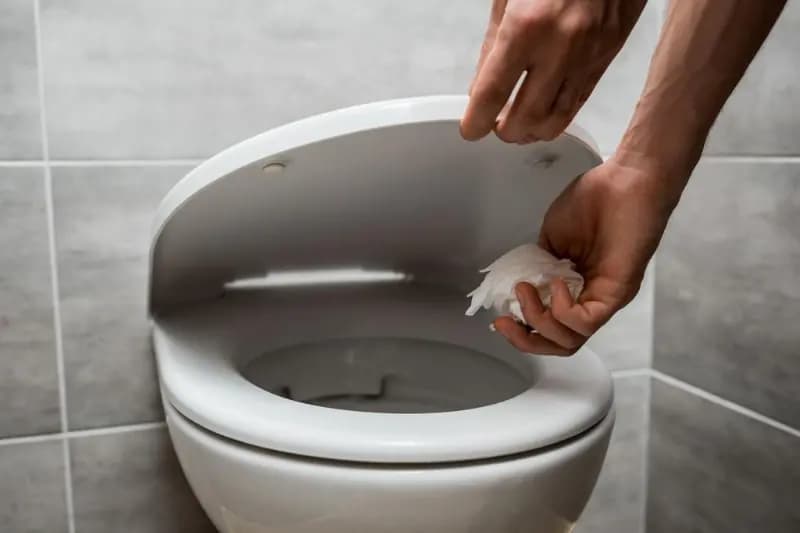
Excessive toilet paper usage is a common culprit for blockages. Finding the right balance helps avoid them.
Flushing non-flushable items
Only toilet paper and human waste should be flushed. Wipes, sanitary products, and cotton balls might seem innocent, but they commonly cause blockages.
Organic matter buildup
Over time, organic matter can build up in your pipes. We'll discuss the importance of preventive measures like enzyme-based cleaners, keeping those pipes clear.
Unclogging Your Toilet Without a Plunger: Methods
If the plunger is nowhere in sight, there are effective methods to tackle the blockage without one. Let's explore these alternative approaches.
Hot water and dish soap
There is no plunging, just hot water mixed with dish soap. Pour a generous amount of dish soap into the toilet bowl, followed by hot (not boiling) water, as boiling water can crack the porcelain. Let it sit and see if the blockage clears.
Bicarb soda and vinegar
The combination of bicarb soda and vinegar fizzes, which can help break down minor clogs. Pour bicarb soda into the bowl, followed by vinegar, and let it sit before flushing.
Wire hanger technique
It's time to get a bit crafty with a wire hanger. Straighten the hanger, wrap the end in a cloth to protect the porcelain, and use it as a makeshift auger to dislodge the blockage.
Enzyme-based cleaners
Enzyme-based cleaners use microscopic agents that feast on organic matter, clearing the path for a smooth flush. Pour the cleaner down the toilet and follow the product instructions. They are best for minor blockages and regular maintenance.
Dish soap and hot water
Dish soap is a variation of the hot water method that acts as a lubricant, aiding in breaking down the clog. Squirt ample dish soap into the toilet bowl, followed by hot water. Allow it to sit for a few minutes before attempting to flush.
Plumbing auger or snake
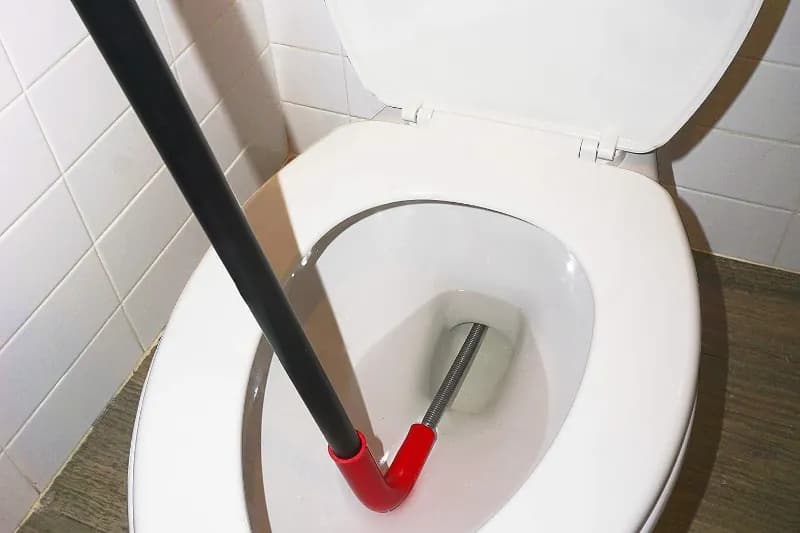
A plumbing auger or snake can reach deeper into the pipes, physically breaking up or pulling out the clog. Follow the manufacturer's instructions to navigate your plumbing system's twists and turns effectively.
Salt and bicarb soda
Mix equal salt and baking soda, and pour the mixture into the toilet bowl. Let it sit for a while, ideally overnight. The combination can help dissolve softer blockages over time. Finish with a flush in the morning, .
Epsom salt
Epsom salt, renowned for its versatile household applications, is a surprising ally in maintaining a pristine and odour-free toilet. Creating a simple yet effective cleaner by combining Epsom salt with baking soda and vinegar can not only scrub away stains but also neutralise odours, providing a natural and eco-friendly alternative to commercial cleaners. Its abrasive texture aids in breaking down mineral deposits, contributing to a well-maintained and efficient toilet.
Prevention Tips
Now that you've mastered the art of unclogging your toilet without a plunger, let's shift gears and focus on keeping those pipes flowing smoothly in the first place. Prevention is the key to a harmonious relationship with your bathroom plumbing. So, here are some practical tips to avoid future toilet blockages.
Implementing moderation
Moderation is vital. Encourage household members to use an appropriate amount of toilet paper. Folding instead of crumpling reduces the strain on your plumbing. It's a minor adjustment that can make a significant difference.
Non-flushable alternatives
Only toilet paper and human waste should be flushed. Educate your household on the importance of using a bin for items like wipes, cotton balls, and other non-flushable materials. This simple habit can prevent potential plumbing mishaps and keep your pipes in tip-top shape.
Creating a family cleaning routine
Make cleaning a family affair. Establish a routine that includes periodic maintenance using enzyme-based cleaners. This proactive approach can help break down organic matter before it becomes a plumbing hurdle. Get the whole household involved and turn it into a shared responsibility.
Maintenance Tips for Your Toilet
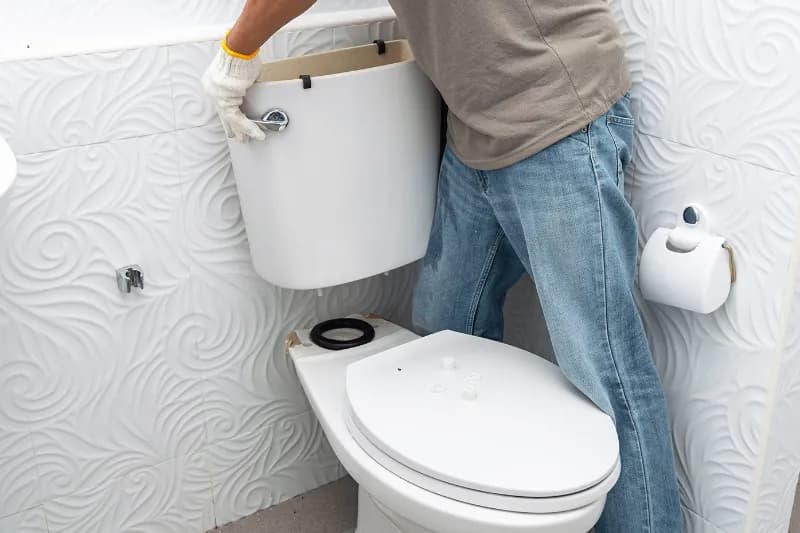
Now that you've covered unclogging and prevention, it's time to discuss maintaining your toilet. Let's explore some simple yet effective tips to keep your toilet in tip-top shape and ensure it continues to function flawlessly.
- Check for Leaks: Periodically check for leaks around the base of your toilet. A silent leak can lead to water damage over time and might go unnoticed. Fixing leaks promptly not only prevents potential structural damage but also conserves water.
- Inspect the Flush Mechanism: The flush mechanism is the heartbeat of your toilet. Lift the lid and inspect it regularly. Ensure that it operates smoothly and that there are no lingering flush issues. Addressing any irregularities early can prevent more significant problems down the line.
- Clean the Jets and Holes: Mineral deposits and debris can accumulate in the jets and rim holes, affecting your toilet's efficiency. Regularly clean these areas using a mild cleaner and a brush. This simple step can enhance the flushing performance and maintain optimal water flow.
- Test the Fill Valve: A faulty fill valve can lead to constant running water or inadequate flushing. Periodically test the fill valve by flushing the toilet and observing the water level. Adjust or replace the toilet fill valve to ensure it fills the tank properly if necessary.
- Inspect the Flapper: The flapper is a crucial component that controls water flow from the tank to the bowl. Check for any indications of wear or harm and replace the flapper if needed. A well-functioning flapper contributes to efficient flushing.
- Use Gentle Cleaners: Opt for gentle, non-abrasive cleaners when cleaning your toilet. Harsh chemicals can damage the porcelain and interior components over time. Choose cleaners that are safe for both your bathroom and the environment.
- Regularly Empty the Overflow Tube: The overflow tube prevents overfilling by directing excess water into the bowl. Ensure it's free from debris and flows smoothly. Regularly emptying the overflow tube helps maintain the correct water level in the tank.
Plumbing SOS: When to Call a Licensed Plumber
Armed with hot water, bicarb soda, and maybe a bit of elbow grease, you can tackle most clogged toilets head-on. But not all blockages respond to DIY methods. When a blockage refuses to budge, it's time to call a licensed plumber.
If DIY methods don't work, or a toilet blocks repeatedly, don't hesitate to call a licensed plumber. Evermore offers same-day emergency service during operating hours.