In this post
What is a Plumbing Emergency?
A plumbing emergency is a sudden and unexpected issue with your home's water system that requires immediate attention to prevent further damage, ensure the safety of your property, and protect your family's well-being. These emergencies can occur at any time, day or night, and can be caused by various factors, including natural wear and tear, extreme weather conditions, or sudden system failures.
Identifying a plumbing emergency
- Sudden burst pipes: Burst pipes can flood your home rapidly, causing extensive water damage to walls, floors, and belongings. When faced with a burst pipe, locating the main water shut-off valve and turning it entirely off immediately is crucial to minimise the water flow and potential damage.
- Massive water leaks: Significant water leaks from taps, fixtures, or water supply lines can waste water and lead to high utility bills. In addition to the financial impact, uncontrolled leaks can cause water damage to your property and necessitate urgent repairs.
- Blocked drains: A clogged drain may seem minor, but severe blockages can cause water backups, leading to potential flooding and unsanitary conditions. If plunging doesn't clear the clog, it's best to call a licensed plumber.
- Hot water system failure: A faulty hot water system can deprive you of hot water for bathing and household chores. If you have cold water despite the system being on, a licensed plumber can find the cause. Do not try to repair elements, wiring or gas parts yourself.
- Gas leaks: Gas leaks are highly hazardous and can lead to explosions or fires. If you smell gas in your home or suspect a gas leak, leave the area immediately, avoid flames and electrical switches, and call your gas supplier's emergency line or a licensed gas fitter.
- Sewer system backup: A sewer system backup can cause foul odours and sewage spills in your home, posing health risks to your family. Addressing this issue promptly is essential to avoid further contamination and water damage.
- Overflowing toilets: An overflowing toilet can cause unsanitary conditions and potential water damage. If your toilet is continuously overflowing, turn off the water supply and seek professional assistance.
- Water hammer: A water hammer is characterised by loud banging or knocking noises in your pipes when you turn off a tap or valve. While not an immediate threat, it can eventually damage your plumbing system if unresolved.
How to Tackle Plumbing Emergencies Effectively
Plumbing emergencies can be overwhelming, but with the proper knowledge and quick action, you can effectively minimise damage and address the situation. Here are some expert tips to help you handle common plumbing emergencies and protect your home from further harm:
- Stay calm and act quickly: The first and most crucial tip in any plumbing emergency is to remain calm. Panicking can lead to bad decisions and potential mistakes. Take a deep breath, assess the situation, and act promptly. For a water leak, turn off the main water supply to stop the water flow and prevent further damage.
- Locate the shut-off valves: Before an emergency occurs, familiarise yourself with the location of shut-off valves in your home. Know where the main water shut-off valve is and individual shut-off valves for sinks, toilets, and appliances. This knowledge will enable you to respond swiftly during a burst pipe or other water-related emergencies.
- Invest in essential tools: Having a basic set of plumbing tools can prove invaluable during emergencies. A plunger can help with blocked toilets and drains, and a bucket and towels are handy for catching and mopping up water. Keep these handy for minor problems while you wait for a licensed plumber.
- Address burst pipes with temporary fixes: If you encounter a burst pipe, use hose clamps, pipe repair kits, or rubber patches to create temporary fixes and stop water leakage until a licensed plumber arrives. Wrapping the damaged area with rags or towels can also provide a short-term solution.
- Avoid using chemical drain cleaners: While chemical drain cleaners can seem like a quick fix for clogged drains, they can cause damage to your pipes and pose health risks. Instead, use a plunger or a drain snake to remove blockages. If these methods don't work, contact a licensed plumber to avoid further damage.
- Gas leaks: If you suspect a gas leak, leave the area immediately. Do not use electrical switches or create flames or sparks, as gas is highly flammable. Call your gas supplier's emergency line or a licensed gas fitter from a safe distance. If anyone has symptoms of carbon monoxide poisoning, get everyone outside into fresh air and call 000. Do not attempt any work on gas lines or appliances yourself.
- Turn off electrical appliances near water: During plumbing emergencies involving water leaks, keep away from electrical appliances and power points in the affected area. If it is safe to reach the switchboard without standing in water, switch off the power to that area. Water and electricity do not mix, so call a licensed electrician if you are unsure.
- Avoid DIY repairs if unsure: While some minor plumbing issues can be resolved with DIY solutions, it's crucial to recognise your limits. Call a licensed plumber if you are unsure how to handle a plumbing emergency. Attempting complex repairs without the necessary expertise can lead to further damage and more costly repairs.
- Keep emergency plumber contact information handy: Before an emergency strikes, have the contact details of a licensed plumber readily available. Choose a plumbing service in advance so you know who to call when you need help.
When to Call an Emergency Plumber
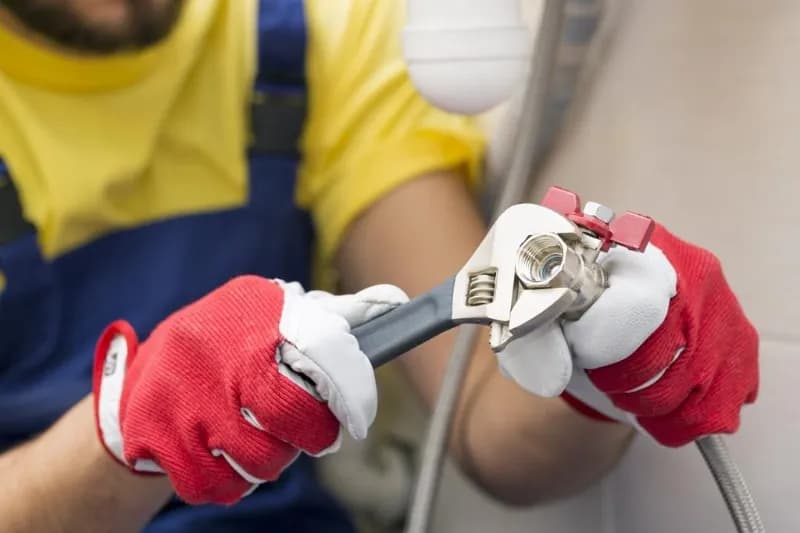
Understanding the difference between routine plumbing issues that can wait for regular business hours and emergencies that require immediate attention is essential. If you're facing any of the following scenarios, it's time to call an emergency plumber:
- Significant water leaks or burst pipes: These situations demand immediate attention to prevent extensive water damage and costly repairs.
- Gas leaks: Gas leaks are hazardous. Leave the area and call your gas supplier's emergency line or a licensed gas fitter.
- Sewer system backups: Sewage backups pose health risks and must be dealt with quickly to protect your family and property.
- No hot water: A sudden lack of hot water can indicate a problem with your hot water system that needs attention.
- Major drain clogs: If plunging doesn't clear a significant clog, it's time to call a licensed plumber.
- Flooding in a lower level or garage: Flooding can be caused by plumbing failures and requires immediate action to prevent further damage.
Regular Inspection and Maintenance of Your Plumbing
Prevention is always better than dealing with emergencies. Regularly inspect your plumbing system for signs of leaks, corrosion, or wear and tear. Pay attention to any unusual noises or changes in water pressure.
Address minor issues promptly before they escalate into more significant problems. Consider scheduling professional maintenance at least once a year to ensure your pipes, fixtures, and appliances are in top condition.
Educate Household Members on Shut-Off Valves
Ensure that all household members know the location and operation of shut-off valves. Everyone should know how to turn off the main water supply and individual shut-off valves for sinks, toilets, and appliances in a plumbing emergency. Educating your family can empower them to take quick action in case you are absent during a crisis.
Seek Expert Help for Plumbing Emergencies
Plumbing emergencies can be challenging and overwhelming, often requiring immediate attention to prevent further damage and ensure the safety of your home and family. While some minor plumbing issues can be addressed with DIY solutions, it's essential to recognise the limitations of your plumbing knowledge and know when to seek expert help.
For critical plumbing emergencies such as burst pipes, major water leaks, gas leaks, sewer system backups, and other complex issues, it is best to enlist the expertise of a licensed emergency plumber. These professionals have the knowledge, experience, and specialised tools to tackle plumbing problems efficiently and safely.
Remember, safety should always be a priority. Gas leaks, for example, can be extremely hazardous. Leave the area and call your gas supplier's emergency line or a licensed gas fitter. Similarly, extensive water leaks can cause severe damage to your property if not addressed promptly.