



In this post
Understanding Common Toilet Bowl Stains
It helps first to understand the type of stain you're dealing with. Toilet bowl stains come in various forms, each with unique characteristics and challenges. Let's break down the common types so you can choose the right approach.
- Hard Water Stains: The cause is mineral deposits from hard water. These stains manifest as unsightly rings and spots in your toilet bowl, often leaving a stubborn mark. To effectively combat hard water stains, it's essential to comprehend the mineral composition of your water source.
- Rust Stains: Iron-rich water is another cause, leading to rust stains. Recognising rust stains is crucial as they differ from other types. Addressing them requires specific techniques to break down the iron compounds causing the discolouration.
Factors Contributing to Toilet Stains
Hard water and rust are the two main causes of toilet stains, so let's look at the factors contributing to their formation. Understanding these helps you anticipate and prevent future stains.
Water quality
The main cause of stains is often water quality. The mineral content and hardness of your water play a significant role in the formation of stains. Hard water, rich in minerals like calcium and magnesium, leaves behind mineral deposits that accumulate over time. By recognising the signs of hard water, you can take steps to mitigate its effects on your toilet bowl.
Cleaning habits
Your cleaning habits also affect toilet stains. Regular maintenance can prevent stains from becoming deeply embedded and stubborn.
Conversely, neglecting your toilet bowl during cleaning routines allows stains to gain a foothold. Understanding the impact of cleaning habits empowers you to adopt practices that maintain a consistently clean and stain-free bowl.
The Importance of Selecting the Right Stain Remover
Next, it's important to choose the right stain remover.
Tailoring to stain types
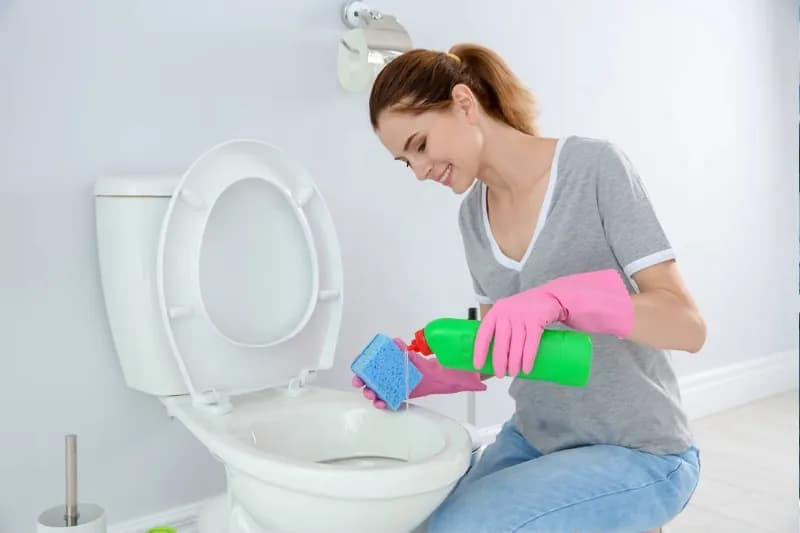
Toilet bowl stains aren't one-size-fits-all, and neither are stain removers. Different colours require specific formulations for effective removal. Choosing a stain remover tailored to the type of stain you're dealing with ensures targeted and efficient cleaning. It's like having a custom solution that addresses the unique characteristics of hard water or rust stains, maximising your chances of success.
Environmental considerations
As environmental consciousness increases, so does the importance of selecting a stain remover that aligns with sustainable practices. Opting for eco-friendly stain removers minimises the ecological impact of your cleaning routine. It's a small but meaningful step towards a greener and cleaner bathroom.
Top Ingredients to Look for in Stain Removers
Choosing a stain remover is easier when you know which ingredients are effective. Here are two common ones to look for in products that tackle stubborn toilet bowl stains.
Citric acid
Citric acid is a common stain remover ingredient. Derived from citrus fruits, this natural acid is effective against mineral deposits. Its acidic properties break down the stubborn buildup of hard water, leaving your toilet bowl gleaming. When searching for a stain remover, look for citric acid on the label.
Hydrogen peroxide
Another useful ingredient is hydrogen peroxide. This oxidising agent works well on stains, especially those caused by rust. It not only lifts the discolouration but also acts as a powerful disinfectant. A stain remover featuring hydrogen peroxide is versatile for maintaining a hygienic toilet bowl. Always follow the label directions and never mix cleaning products.
DIY Stain Removal Solutions
DIY stain removal solutions can work well for those who enjoy a hands-on approach to cleaning or prefer a more natural route. Here are some homemade options using items from your kitchen.
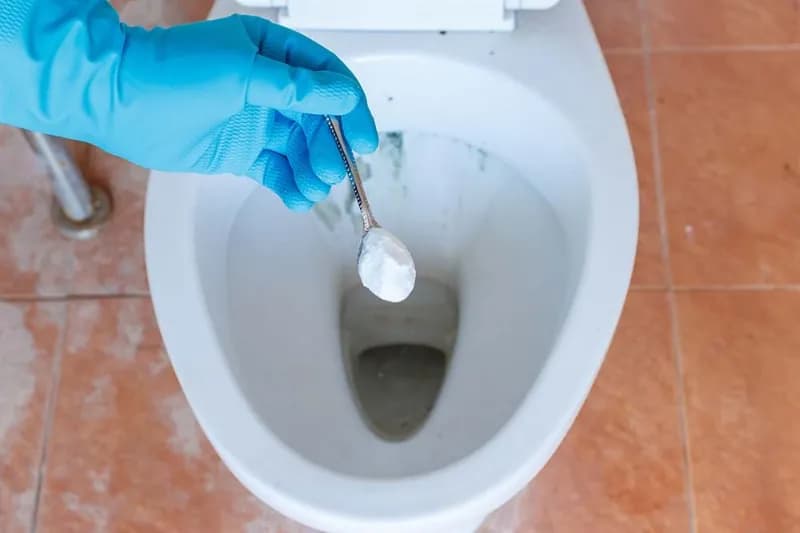
Baking soda and vinegar mix
This classic duo isn't just for baking, it also makes a good stain remover. With its mild abrasive properties, baking soda combines with vinegar's acidity to break down stains. Mix them into a paste, apply it to the stained areas, let it fizz, and then give it a gentle scrub. It's a simple yet effective DIY solution for various types of stains, leaving your toilet bowl refreshed.
Lemon juice and borax blend
The natural acidity of lemon juice and borax's cleaning power make an effective stain remover. Mix the two to form a paste, spread it onto the stains, and let it sit before giving it a good scrub. This blend combats stains and adds a fresh, citrusy aroma to your bathroom.
Stains on toilet bowls, sinks, and tubs are caused by mould and can have adverse effects on your health. Because of their black or dark green spots, you can easily spot mould stains.
Even if you cannot spot the mould, you may notice an unpleasant and musky odour from your toilet. When you clean the mould or mildew stains, you can prevent them from occurring again by ensuring that your bathroom is well-ventilated.
Maintenance Tips for a Stain-Free Toilet
Once your toilet bowl is stain-free, a little regular maintenance helps keep it that way.
Compatibility with toilet fixtures
Consider the compatibility of stain removers with your toilet's material. Whether it's porcelain, ceramic, or another material, choosing a stain remover that is suitable ensures effective stain removal without causing unintended harm.
Fragrance preferences
Fragrance is a matter of preference. Selecting a stain remover with a scent you like can make cleaning more pleasant. From zesty citrus to soothing lavender, find a scent that suits your bathroom.
Regular inspection and quick action
Make it a habit to give your toilet bowl a quick once-over regularly. Early detection of any signs of stains allows for prompt action. Addressing potential issues early on ensures that stains don't get the chance to settle and become stubborn.
Gentle cleaning tools
Your toilet bowl deserves a gentle touch. Opt for non-abrasive cleaning tools to avoid scratching the surface. Soft-bristle brushes or microfiber cloths can work wonders without causing any harm.
Periodic deep cleaning
While regular maintenance is crucial, remember to schedule periodic deep cleaning sessions. This allows you to tackle any hidden or hard-to-reach areas that might have been missed during routine cleaning. A little extra attention keeps your toilet in good condition.
Water softening systems
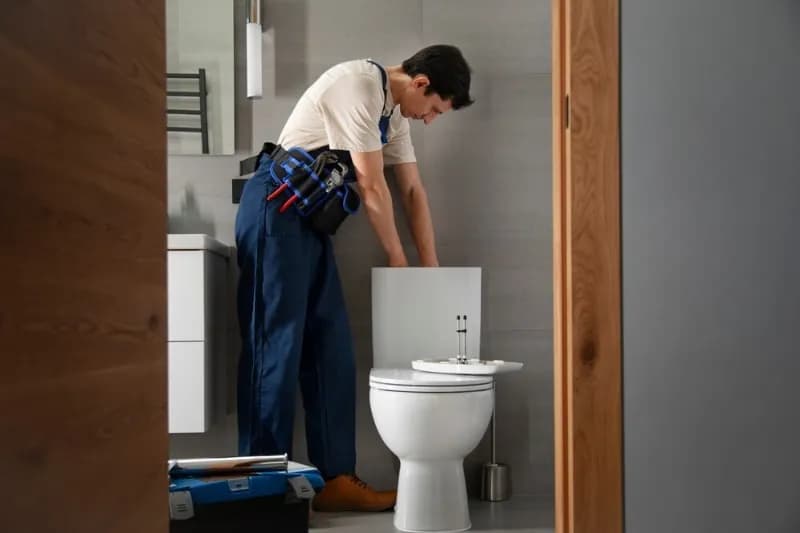
If hard water stains are recurring, ask a licensed plumber about a water-softening system for your home. These systems reduce mineral content, helping prevent stubborn stains from forming in the first place.
Elevating Cleanliness with Professional Plumbing
Remember, choosing a stain remover that suits your toilet and the type of stain is the key to a clean bowl.
If stains keep coming back, or you suspect a plumbing problem such as a leaking cistern or a hard water issue, talk to a licensed plumber. They can find the cause and recommend the right fix.