







In this post
Types of Hot Water Systems
The total efficiency of a hot water system is determined by the type you install. You need to invest in a hot water system that generates enough hot water for all your daily needs. It is also good to consider the energy efficiency of the system you install to help you save money. Here are the different types you should consider.
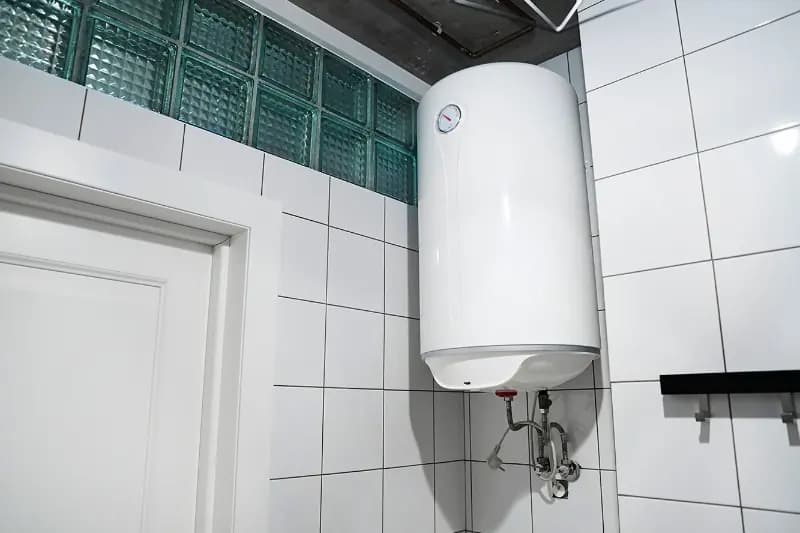
Conventional storage tank heater
A conventional storage tank hot water system features a ready reservoir or storage tank of hot water. The tank helps in storing hot water for everyday use. For more efficiency, you need to install a system with a tank size that can accommodate all your needs. Pick the right size of tank based on all your water needs.
It is good to consider the amount of water used during peak hours, for instance, in the morning when almost everyone in your home uses hot water. The tank should also be made with high-quality material to ensure it can withstand frequent heating of hot water.
On-demand or tankless system
This type of hot water system heats water directly when needed. It doesn't have a storage tank and is made to supply hot water for as long as you need it. One of the advantages of a tankless system is that it can deliver hot water continuously, provided it is sized for your demand.
However, to ensure you get a tankless system that will serve you well, you must get the right-sized one based on your daily hot water needs. The system also saves space because there is no tank, requiring less maintenance than the tank option. It can also use less energy because it only heats water when needed.
Heat pump hot water system
A heat pump hot water system operates by getting heat from the surroundings and moving it to your water. It features a refrigerant that gets heated when it is pumped. The resulting heat from the surroundings is delivered to your water, making it gain heat. The hot water is then stored in the tank for use.
The heat pump hot water system works precisely to efficiently and effectively heat your water. It operates without directly using combustion material and fuel to generate heat, making it a more energy-efficient system. The other advantages are that the system offers consistent heating, requires low maintenance, and is more eco-friendly.
Solar water heating system

A solar heating system uses the sun's heat to generate hot water. It leverages energy from the sun to heat the water, helping reduce your running costs because the sun supplies much of the energy. The system features various elements like a heat exchanger, solar collector, control system, backup heater, and controller system.
The heaters use specialised solar collectors to collect energy from the sun. Most solar systems feature a controller system that ensures no overheating of your water in the storage tank. In addition, the system also features a backup heater, meaning that when the weather is cloudy and there is no solar energy to heat your water, the backup booster heats water using electricity or gas.
Tankless coil hot water system
A tankless coil system uses a boiler or central heating system to heat your water. This set-up is rare in Australian homes, so it is unlikely to be an option for most households.
The system uses a heat exchanger or heating coil installed in the boiler. When you turn on a hot tap, the water moves through the heat exchanger and is heated on demand, without a conventional storage tank.
However, since the system relies on the boiler to heat your water directly, it works most efficiently when it is used often in cold weather. This makes it a poor fit if you live in a warmer climate.
Fuel Type
Besides the type of hot water system, there are other things to check for when choosing the most efficient one for your home. As you look for a hot water system, consider the energy source or fuel type you will use.
It is also good to consider the availability and cost of the fuel. The fuel you use for your system affects the running costs and energy efficiency. When you consider fuel type, you have several options available.
Electric hot water system
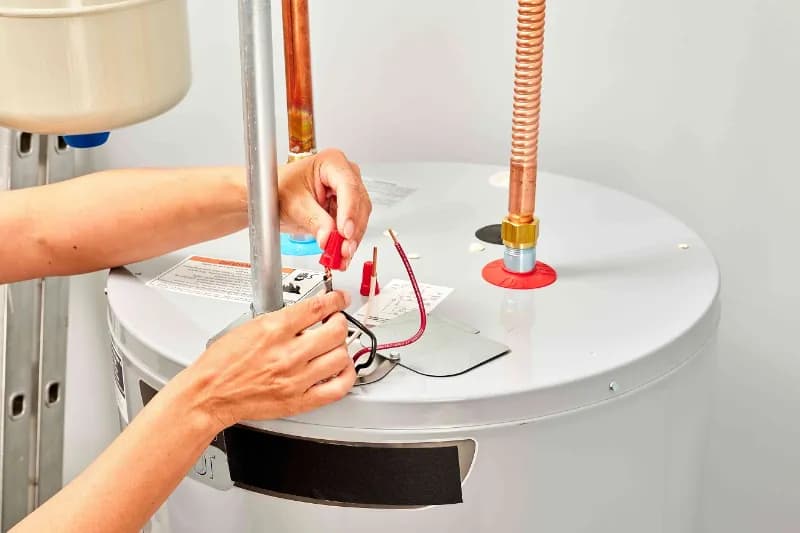
An electric hot water system uses electricity to heat the water throughout your home. They can heat your water in a tank, or it can also be tankless. The water is heated at a central point or the point of usage. An electric hot water system can be more energy efficient using a heat pump or hybrid system to concentrate heat from the surroundings into the water.
Electric hot water systems are common in Australia because they are easy to install, provide reliable hot water, and can be energy efficient when used correctly. However, you can be inconvenienced if there is a power outage and you don't have a backup system. Their operation costs are also high because of the monthly electricity bills.
Gas hot water system
A gas hot water system uses a gas burner located under the storage tank to heat your water and uses natural gas or LPG. The cold water enters the bottom of the tank, where it is heated. A thermostat controls the temperature of the water.
A gas system has a quicker reheat time than a conventional electric storage system. Emissions and running costs depend on your energy supply, so compare gas and electricity prices for your area before deciding.
Solar hot water system
As mentioned above, solar hot water systems use energy from the sun to heat water. They can be energy efficient and cost-effective because the sun supplies much of the energy needed to heat your water. They also require low maintenance, are eco-friendly, and reduce reliance on the grid. However, you need a backup because the solar heater is affected by cloudy weather.
Operation Costs
When considering the efficiency of the different hot water heating systems, it is also good to consider the running costs you will incur in the long run. A solar heating system can have the lowest running costs since sunlight is free and it requires low maintenance.
Gas hot water can cost less to run than a conventional electric system, depending on current gas and electricity prices. Natural gas systems are also generally cheaper to run than LPG systems. A heat pump hot water heating system is more efficient than most other systems but will work best for you if you live in areas with warmer climates.
Expert Pick on the Right Hot Water System
Choosing the most efficient hot water system for your Australian home is a decision that should not be taken lightly. Each option has its advantages and considerations, so evaluating your specific needs, budget, and environmental concerns is essential. For energy-conscious homeowners, solar hot water and heat pump systems offer excellent long-term savings and reduce your carbon footprint.
If you prefer a more conventional approach, gas continuous flow and electric storage systems are reliable choices, with gas offering the advantage of on-demand hot water. Ultimately, your home's most efficient hot water system will depend on your circumstances and priorities.
Remember to consult a licensed plumber to determine the best solution for your specific situation and ensure proper installation and maintenance of your chosen hot water system. With the right system in place, you can enjoy hot showers year-round while positively impacting your wallet and the environment.