
In this post
Understanding Water Contamination
Types of water contaminants
Water contaminants include bacteria like E. coli and norovirus, chemicals like pesticides and heavy metals, and sediments like sand and silt.
Sources of water contamination
Water contamination sources are diverse, from industrial processes releasing pollutants into rivers to agricultural runoff carrying fertilisers and pesticides. Identifying these sources allows you to avoid and address potential contamination proactively.
Importance of Water Purification
Clean drinking water matters for your health. This section looks at why purification is worthwhile.
Guarding against water borne threats
Water that looks clear can still contain bacteria, viruses and parasites that cause illness. Waterborne diseases are a real danger, and purification helps make sure the water you drink is safe.
Preserving environmental harmony
Beyond personal health, water purification plays a vital role in maintaining environmental balance. Unpurified water, laden with pollutants, can harm aquatic ecosystems.
Responsible purification practices prevent the release of harmful substances, protecting rivers, lakes and oceans. When we prioritise purifying our water, we're not just protecting ourselves; we're contributing to the planet's well-being.
Economic implications of clean water
The economic impact of inadequate water purification is a silent but potent force. Waterborne diseases increase healthcare costs, affecting individuals and communities alike. Environmental cleanup efforts further strain economic resources.
Effective water purification can be a sensible choice for both health and cost. Clean water supports individual well-being and the broader economy.
Elevating quality of life
Clean water isn't just a necessity. Purified water tastes better, lacks unpleasant odours and looks clearer, which makes it more pleasant to drink.
The global impact
On a global scale, the importance of water purification is even greater. In areas facing water scarcity or contaminated water sources, purification is vital for health.
Boiling
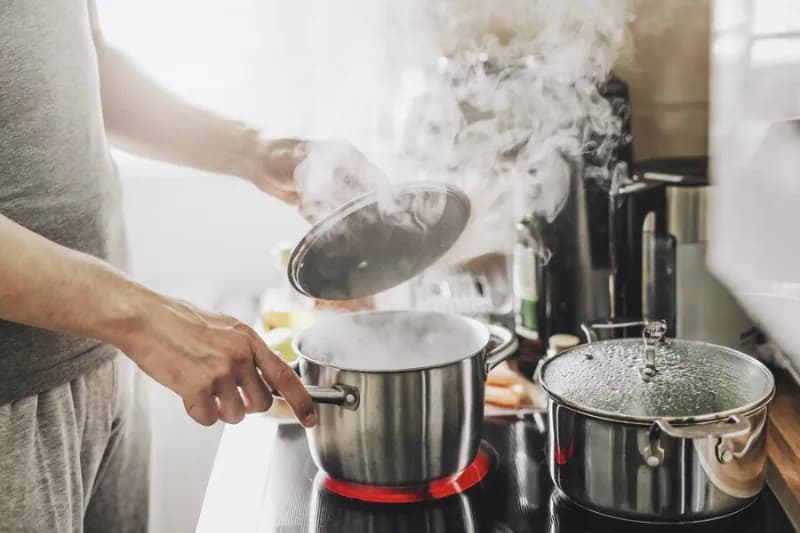
Boiled water must be boiling for at least one minute, or three minutes at high altitudes, to effectively kill bacteria, viruses, and parasites. This straightforward method ensures the safety of your drinking water.
While boiling is practical, it requires a heat source and time. It doesn't remove chemicals or sediments. Knowing these pros and cons helps you decide when boiling is the most suitable purification method.
Filtration: Tailoring Purity to Your Needs
Filters are each designed to target specific contaminants, so the right choice depends on your needs.
Types of water filters
Filtration comes in various forms, each with its own strengths. The main types of water filter are:
- Activated Carbon Filters: These absorb impurities and are effective against chlorine, volatile organic compounds (VOCs), and bad tastes or odours.
- Ceramic Filters: Fine pores in ceramic act as a barrier, trapping bacteria and protozoa.
- Reverse Osmosis Filters: These use a semi-permeable membrane to filter out ions, molecules, and larger particles, including many heavy metals.
Maintenance of water filters
Filtration systems need regular maintenance to perform at their best:
- Cleaning Routine: Periodically clean your filters to remove accumulated particles and provide a steady flow.
- Timely Cartridge Replacements: Replacing filter cartridges as the manufacturer recommends keeps your filtration system effective.
Emerging filtration technologies
As technology advances, so does water filtration. Newer methods include:
- Nanofiltration: Nanofilters target particles at the nanometre level, removing impurities.
- Reverse Osmosis Advances: Evolved reverse osmosis systems incorporate improved membranes, making them more efficient and capable of handling a broader spectrum of contaminants.
Distillation
Distillation is an age-old process that leaves impurities behind and produces very pure water.
The process of distillation is as follows:
- Boiling and Condensing: Distillation begins with boiling. Water is warmed until it turns into steam, leaving contaminants behind. The steam is then condensed back into liquid form, and the impurities are left in the distillation vessel.
- Separating the Good from the Bad: This process is akin to nature's water cycle but on a controlled level. Distillation separates pure water from impurities and contaminants.
Applications of distillation
- Industrial Scale Distillation: Large-scale distillation is a cornerstone in industries requiring high-purity water, from pharmaceuticals to electronics manufacturing. It's widely used for producing water of the highest quality.
- Compact Home Distillation Kits: Distillation isn't just for industrial giants; it can be scaled down for home use. Compact distillation kits offer the opportunity to enjoy the benefits of this ancient purification method without the need for a laboratory.
UV Purification
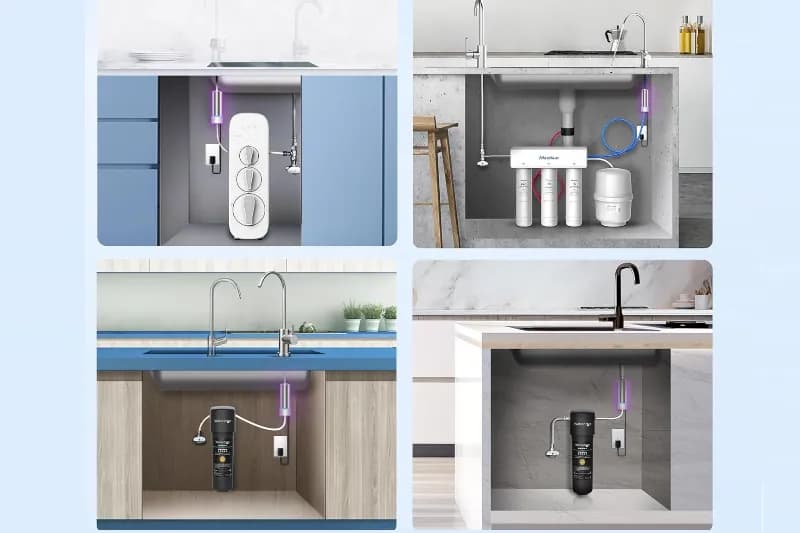
UV purification uses light to inactivate microscopic threats such as bacteria, viruses and parasites.
How UV purification works
- Harnessing Ultraviolet Light: UV purification relies on ultraviolet (UV) light, specifically in the germicidal range. This light disrupts the genetic material of microorganisms, causing them to be unable to reproduce or cause harm.
- DNA Disruption: UV light disarms bacteria, viruses, and parasites at the molecular level.
UV purification devices
- Portable UV Filters: For those on the go, portable UV filters integrated into water bottles offer a convenient way to treat drinking water.
- Home UV Purification Systems: At home, UV purification systems treat your water at the point of use, giving ongoing protection against microbial threats. Have a licensed plumber install one.
Choosing the Right Water Purification Method
The right purification method depends on a few factors.
Assessing water quality: The starting point of your journey
Consider the source of your water. Whether it's from a municipal supply, a well, or a natural spring, the starting quality sets the stage for the purification method that suits it best.
Observe the characteristics of your water. Is it crystal clear or clouded? Does it have an off-putting taste or odour? These sensory cues provide clues about potential contaminants and influence your choice of purification.
Lifestyle considerations: Purification tailored to you
If you're purifying water for daily use at home, a comprehensive system might be your ally. On the flip side, portable methods like UV filters or lightweight purification tablets might be more fitting if you're an adventurer or camper.
Consider your travel habits. Frequent travellers lean towards compact and portable purification options, ensuring they can access safe water wherever their journeys take them.
Cultural considerations: Blending tradition with innovation
Some cultures have traditional purification methods. If you use one, check that it is effective against the contaminants you are concerned about.
Whether you prefer traditional methods or modern technology, choose a method that suits your lifestyle and removes the contaminants you are concerned about.
DIY Water Purification: Crafting Purity in the Kitchen
This section covers do-it-yourself water purification methods you can use at home or in an emergency. Homemade methods are less reliable than boiling or a certified filter, so treat them as a backup.
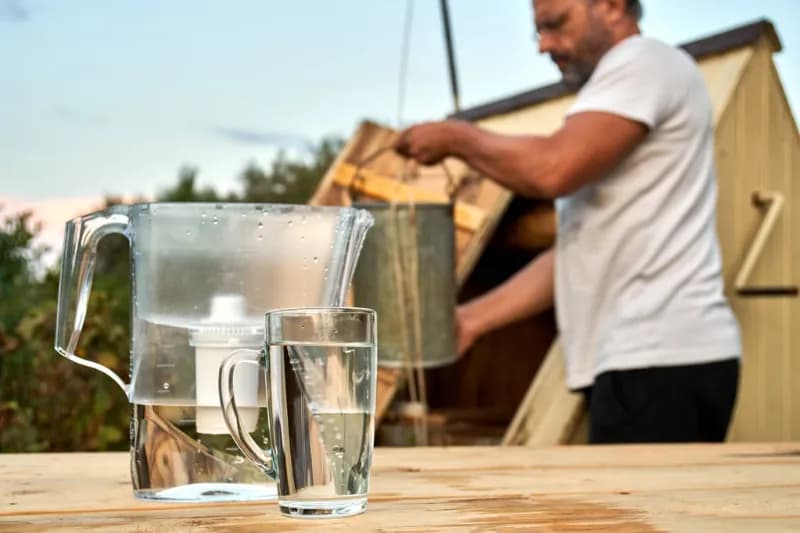
Homemade filtration: Improvised elegance
- DIY charcoal filter: Charcoal acts as a natural filter, absorbing impurities. Create a makeshift filter by layering activated charcoal, sand, and gravel in a container. This can make cloudy water clearer, but it won't make it safe to drink on its own, so boil the filtered water.
- Improvised cloth filter: In a pinch? A cloth filter made from a clean piece of cloth or fabric can effectively strain out larger particles from your water, providing a quick DIY solution.
Solar disinfection: Harnessing the power of the sun
Solar Disinfection (SODIS) is a simple DIY technique. Fill a transparent container with water and place it in direct sunlight for six hours. The sun's UV rays render many harmful microorganisms inactive.
DIY water distillation: Using your stove
- Stovetop distillation: Boil water, collect the vapour, and let it condense back into liquid form. This DIY distillation process removes impurities, leaving you with purified water. Take care with hot steam and surfaces.
- Improvised filtration devices: Plastic bottles, cloth, and sand can form a makeshift filter, but boil the water afterwards to make it safe to drink.
Navigating Water Purification with Expert Guidance
Purifying your drinking water is a sensible step towards a healthier and safer home. Remember that you're not just improving the taste of your water, you're protecting your well-being.
So, whether you opt for the simplicity of boiling, the convenience of filtration, distillation, or UV purification, the choice is yours. Assess your water quality, consider your lifestyle, and embrace a bit of DIY with homemade filters or solar disinfection.
While we've covered the essentials, it's worth seeking expert advice for personalised solutions. A licensed plumber can advise on filters and UV systems and install them for you.