In this post
- Brisbane's Water Treatment Process
- Water Quality Testing
- The Quality of Brisbane Tap Water
- Factors Affecting Brisbane's Water Quality
- Potential Risks Associated with Brisbane Tap Water
- Where Does Tap Water in Australia Come From?
- Making Your Brisbane Tap Water Safe for Drinking
- Need Help Checking if Your Tap Water is Safe for Drinking?
Brisbane's Water Treatment Process
Brisbane's drinking water goes through a multi-stage treatment process. First, the water undergoes a screening process to remove large particles such as leaves and debris. The water then undergoes coagulation and flocculation to remove smaller particles such as dirt and other impurities.
Next, the water undergoes sedimentation, where the impurities are left to settle at the bottom of the tank, leaving clear water at the top. The water then undergoes filtration, which removes any remaining particles. Finally, the water is treated with chlorine to kill any remaining bacteria and viruses.
Water Quality Testing
Seqwater and Urban Utilities conduct regular water quality testing to ensure the safety of tap water. The water is tested for various parameters, including bacteria, viruses, parasites, organic and inorganic chemicals, and physical characteristics. To identify potential contamination, the testing is carried out at multiple points in the water supply system, from the source to the tap.
The Quality of Brisbane Tap Water
Drinking water in Brisbane is regularly tested against the Australian Drinking Water Guidelines. These guidelines set the standards for the quality of drinking water in Australia and ensure that it is safe for human consumption. Brisbane's tap water is reported to meet these guidelines.
Water quality information and reports are published online by the water providers, so the public can see the testing and treatment results.
Factors Affecting Brisbane's Water Quality
Brisbane's water is treated to be safe and of high quality. However, several factors can affect the quality of Brisbane's water. These include:
Source of water
The source of the water used in the treatment process can have a significant impact on the quality of the tap water. In Brisbane, most of the water comes from dams and reservoirs, such as the Wivenhoe and North Pine Dams. The water quality in these sources can be affected by factors such as rainfall, drought, and contamination from agricultural runoff and human activities.
The water sources are monitored, and measures are in place to help prevent contamination.
Water treatment process
The water treatment process is critical in ensuring that the tap water is, in fact, safe to drink. The water treatment process involves several stages, including screening, coagulation and flocculation, sedimentation, filtration, and disinfection.
The effectiveness of the water treatment process can be affected by factors such as the quality of the source water, the capacity and condition of the treatment facilities, and the competence of the operators. The treated water is regularly tested to check that it meets the Australian Drinking Water Guidelines.
Age and condition of pipes
The age and condition of the pipes that transport the water to homes and businesses can also impact the tap water quality. Over time, pipes can corrode and leach contaminants into the water.
Water providers maintain and replace ageing water mains as part of ongoing programs. Pipes inside your own property are the owner's responsibility, so a licensed plumber can check them if you are concerned.
Environmental factors
Environmental factors such as floods, bushfires, and droughts can also impact the quality of Brisbane's tap water. For example, heavy rainfall can lead to the runoff of contaminants into the water sources.
At the same time, droughts can result in low water levels and increased concentrations of minerals and other impurities. Water providers monitor these factors and adjust treatment as needed.
Consumer habits
Consumer habits can also have an impact on the quality of tap water. For example, improper disposal of hazardous materials such as chemicals and pharmaceuticals can contaminate water sources.
Additionally, the use of home filtration systems and water softeners can also affect tap water quality. It is essential to properly maintain these water systems and follow the manufacturer's instructions to prevent contamination and ensure that the water remains safe to drink.
Potential Risks Associated with Brisbane Tap Water
Brisbane tap water is generally considered safe and of high quality. However, there are still potential risks associated with tap water that residents should be aware of. These are:
Chlorine
Chlorine is added to tap water in moderation as a disinfectant to kill harmful viruses and bacteria. While chlorine is safe in small amounts, it can cause health problems in high concentrations. Prolonged exposure to high chlorine levels can irritate the skin and eyes and cause respiratory problems.
To minimise the potential risks associated with chlorine, chlorine levels in the tap water are monitored to keep them within safe limits.
Minerals and chemicals
Brisbane tap water contains trace amounts of minerals and chemicals that are naturally present in the water sources or added during treatment. While these minerals and chemicals are generally safe in small quantities, prolonged exposure to high levels can cause health problems.
For example, high fluoride levels can cause dental fluorosis, while high levels of lead can cause developmental problems in children. To minimise the potential risks associated with minerals and chemicals, the tap water is regularly tested to check that levels are within safe limits.
Microplastics
Microplastics are tiny plastic particles in the environment, including the water sources that supply tap water. While the potential health risks associated with microplastics are still being studied, research is continuing into any effects on human health.
Reducing plastic waste in the environment is the best way to limit microplastics in water sources.
Vulnerable populations
Specific populations, such as pregnant women, young children, and those with compromised immunity, may be more vulnerable to the potential risks associated with tap water. For example, high levels of lead in tap water can cause developmental problems in young children.
Where Does Tap Water in Australia Come From?
Most of the Brisbane water comes from Seqwater. The drinking water is derived from several reservoirs and is delivered through many kilometres of water mains. Urban Utilities, the Brisbane water service provider, provides water to its service area.
A large share of Brisbane's drinking water comes from Wivenhoe Dam, which can hold more than a million megalitres of water. The desalination plant in Gold Coast offers a backup water source for the primary water grid.
The desalination plant can supply more than a hundred million litres of water a day at full capacity. When dam levels are low, recycled water can help boost Brisbane's water supplies.
The recycled water is sourced from the Western Corridor Recycled Water Scheme. The recycled water is also treated to ensure that it doesn't have contaminants that can make it harmful to human consumption.
Making Your Brisbane Tap Water Safe for Drinking
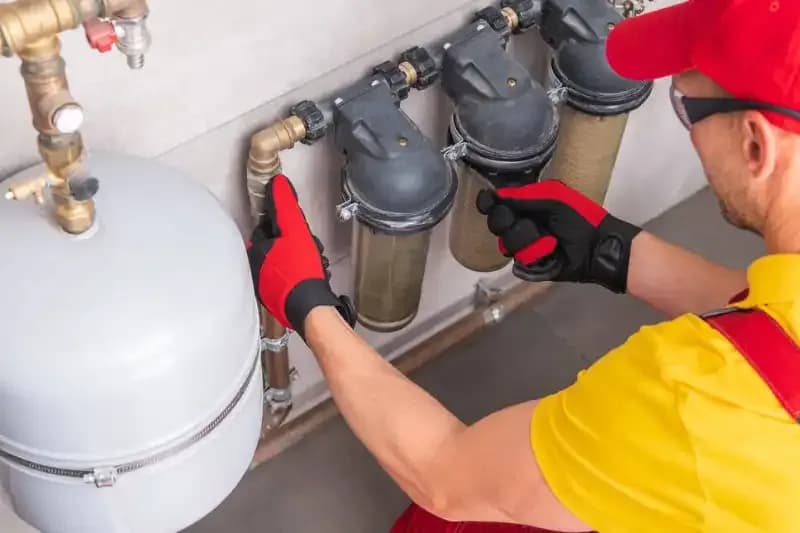
Brisbane's water supply is treated to meet the standards set by the Australian Drinking Water Guidelines.
However, there are still some contaminants that may be present in the tap water, and you should take extra precautions to ensure the water is safe to drink. Here are a few top tips on how to make your Brisbane tap water safe for drinking:
Boil the water
Boiling water is a simple and effective way to kill any harmful bacteria or viruses that may be present in the water. To boil water, bring it to a rolling boil for at least one minute. Once the water has cooled down, it is safe to drink.
Use a water filter
Using a water filter can help remove any impurities from the water, like sediment, chlorine, and heavy metals. There are many types of water filters available, including pitcher filters, tap-mounted filters, and under-sink filters. Make sure to choose a certified filter to remove the contaminants that concern you.
Add chlorine dioxide drops
Chlorine dioxide drops are a water purification method more often used for camping or emergency water supplies, but they can be used to treat tap water. These drops work by killing bacteria and viruses, and they are also effective against parasites and protozoa. Follow the instructions on the package for the correct amount.
Use UV light treatment
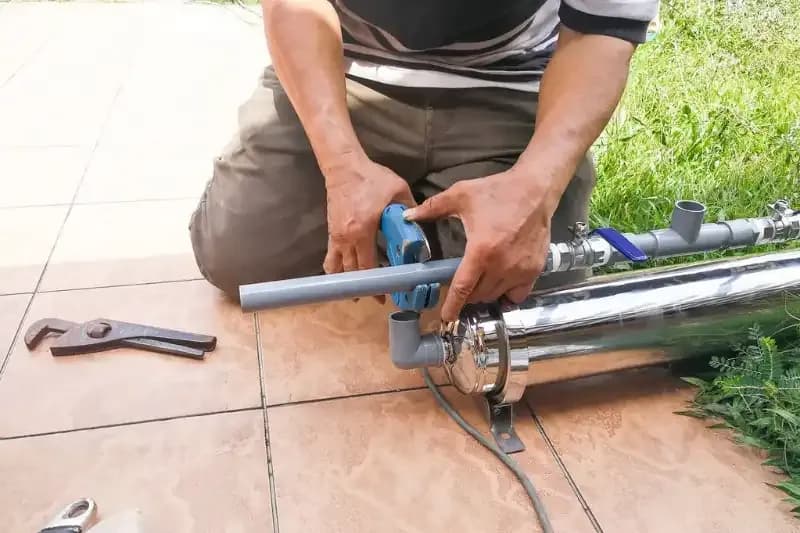
UV light treatment is another effective method for purifying tap water. UV light kills viruses, bacteria, and other microorganisms by disrupting their DNA. Many portable UV water purifiers are made for outdoor activities, and UV units can also be installed to treat household water.
Purchase bottled water
If you are concerned about the safety of tap water in Brisbane, you can always purchase bottled drinking water. Choose a reputable brand that meets the Australian Drinking Water Guidelines.
Need Help Checking if Your Tap Water is Safe for Drinking?
Brisbane tap water is considered safe to drink according to the Australian Drinking Water Guidelines. Ultimately, deciding whether to drink tap water is up to personal preference, but taking the steps outlined in this article can help ensure that your tap water is safe and clean.
If you have any pressing concerns or doubts about the quality or safety of your tap water, it is advisable to seek professional help. A licensed plumber can check the pipes and fittings on your property, and a water quality professional can help you assess the quality of your tap water and recommend appropriate treatment options if necessary.
They can also provide you with information on the types of contaminants that may be present in your water and advise you on the best ways to ensure that your water is safe to drink.